
What great offices get right - 8 things I loved about WPP's One Southwark Bridge from our Experience Makers study tour
Topics covered: real estate customer experience, tenant experience, real estate design, workplace design, workplace experience, office design, retrofit strategy, BREEAM Outstanding, workplace technology, smart buildings, flexible workspace design, workplace hospitality, tenant experience, building amenities, workplace community, real estate customer experience, destination activation, office ESG, future of work, workplace operations, commercial real estate insights
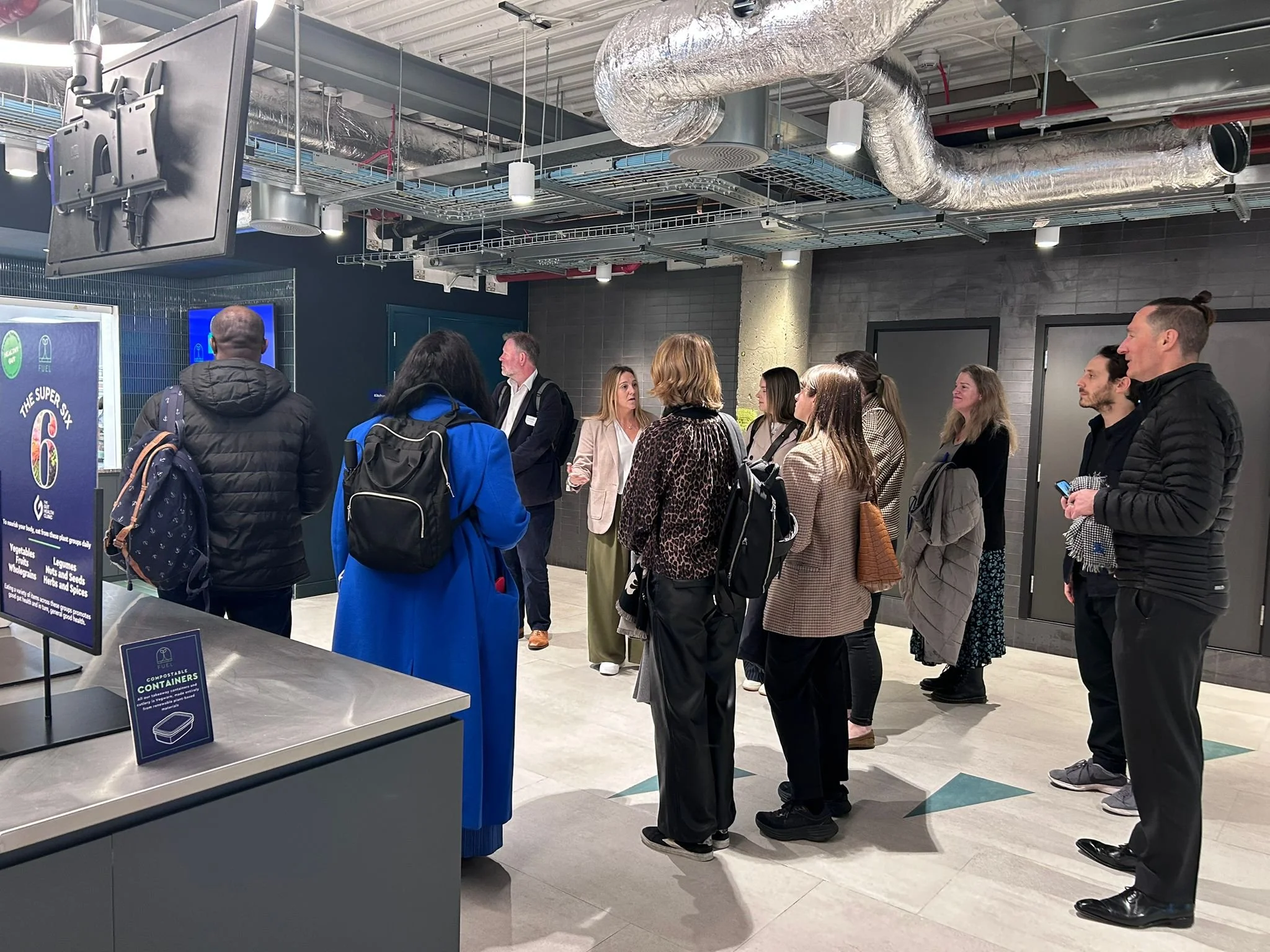
This morning Experience Makers hosted a study tour at One Southwark Bridge, led by BDG Architecture + Design.
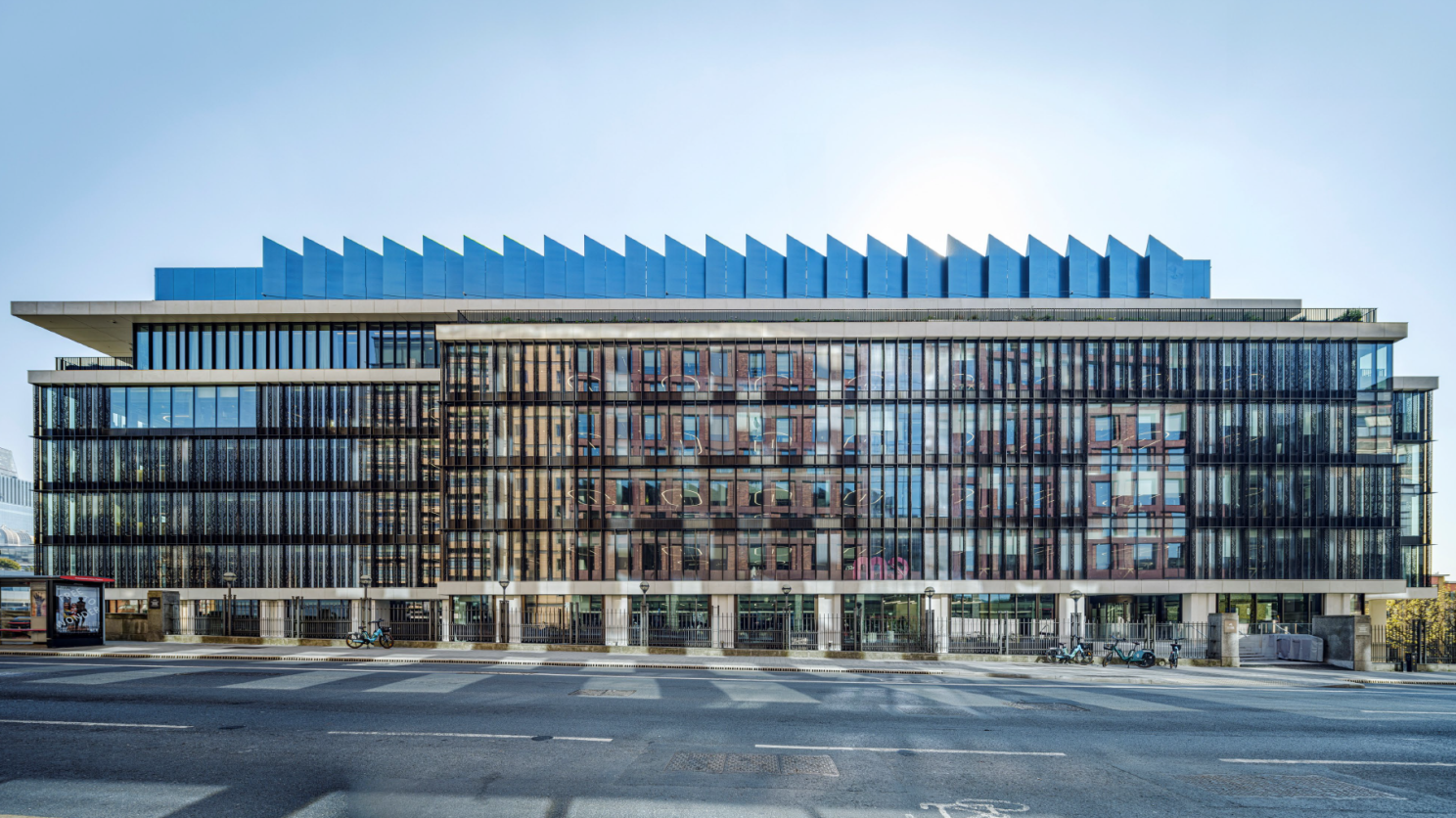
The building, formerly the Financial Times headquarters, has been transformed through a deep retrofit into a modern, experience-led workplace focused on sustainability, wellbeing and how people actually use offices today. Rather than demolish and rebuild, 75% of the existing structure was retained, delivering significant embodied carbon savings and achieving BREEAM Outstanding.
But what made the visit interesting wasn’t just the sustainability story. It was seeing what happens when customer experience thinking is embedded into design, operations, technology and hospitality from day one.
Here are 10 things I really loved about the building from the study tour today. Come along with me and discover them for yourself.
1. I loved hearing directly from the people behind the building, in their own words
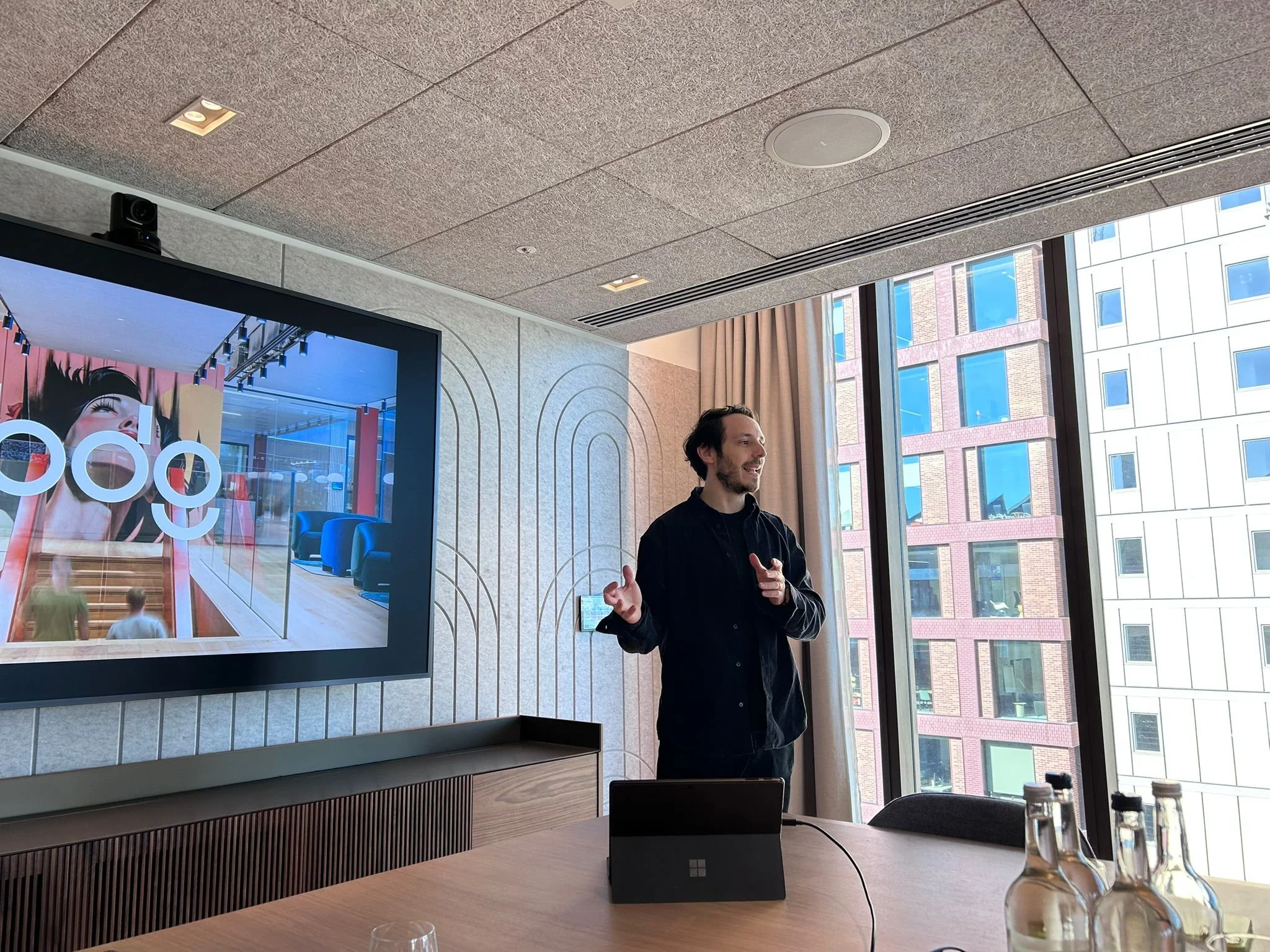
One of the highlights of the visit was hearing directly from Daniel Stanton, Director at BDG Architecture + Design, who walked us through the philosophy behind the project and some of the other workplaces his team has delivered.
He showed examples including the LEGO headquarters in Boston, a reimagined Dojo call centre designed more like a creative studio than a traditional operational workplace, and 40 Leadenhall.
What really stood out was how consistently BDG approaches workplace design through the lens of experience rather than just aesthetics. It was also a powerful reminder that even environments traditionally seen as purely functional - like call centres - can be transformed when design starts with the human experience rather than the floorplate.
2. I loved how the building starts telling its story right away
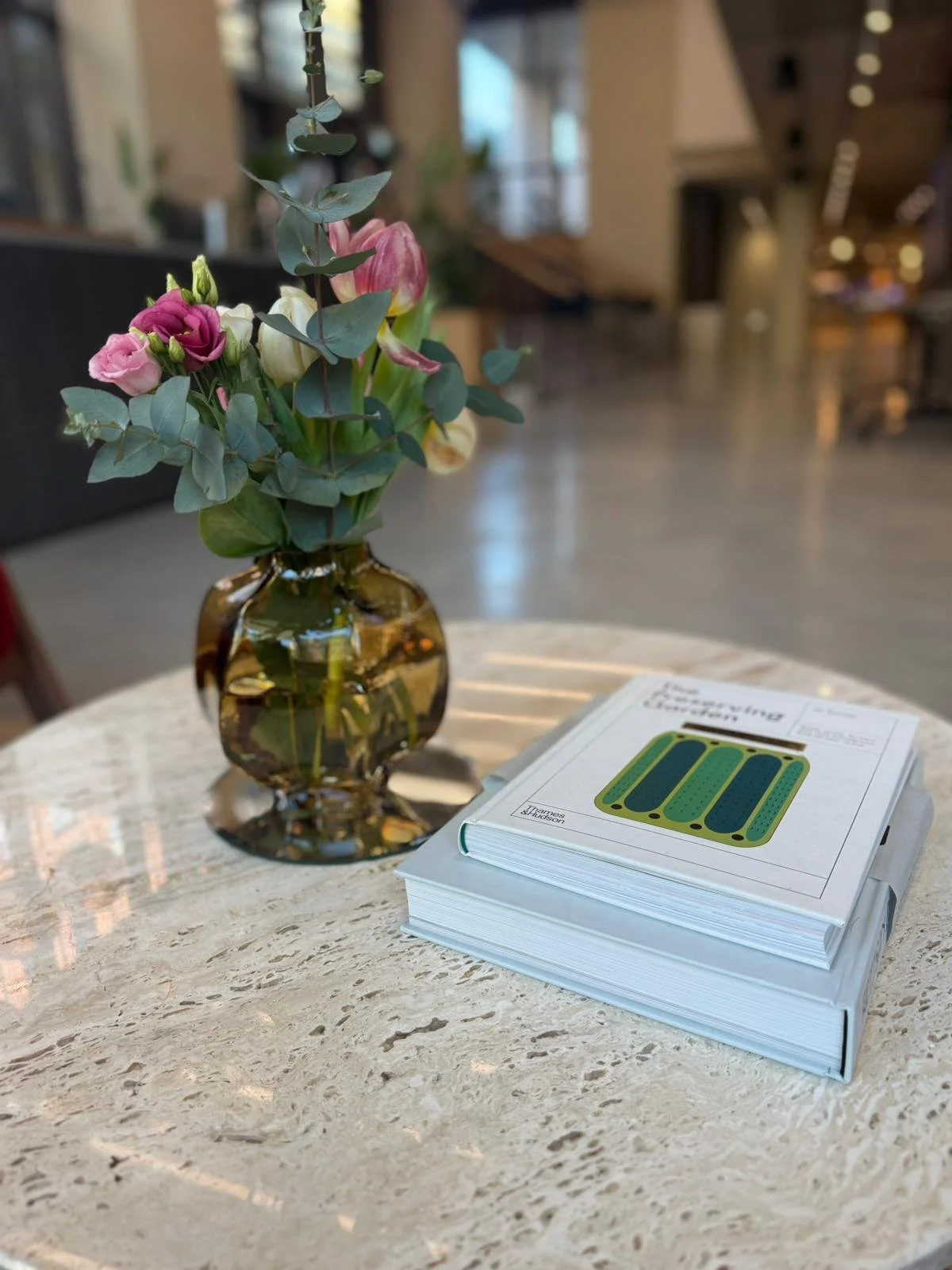
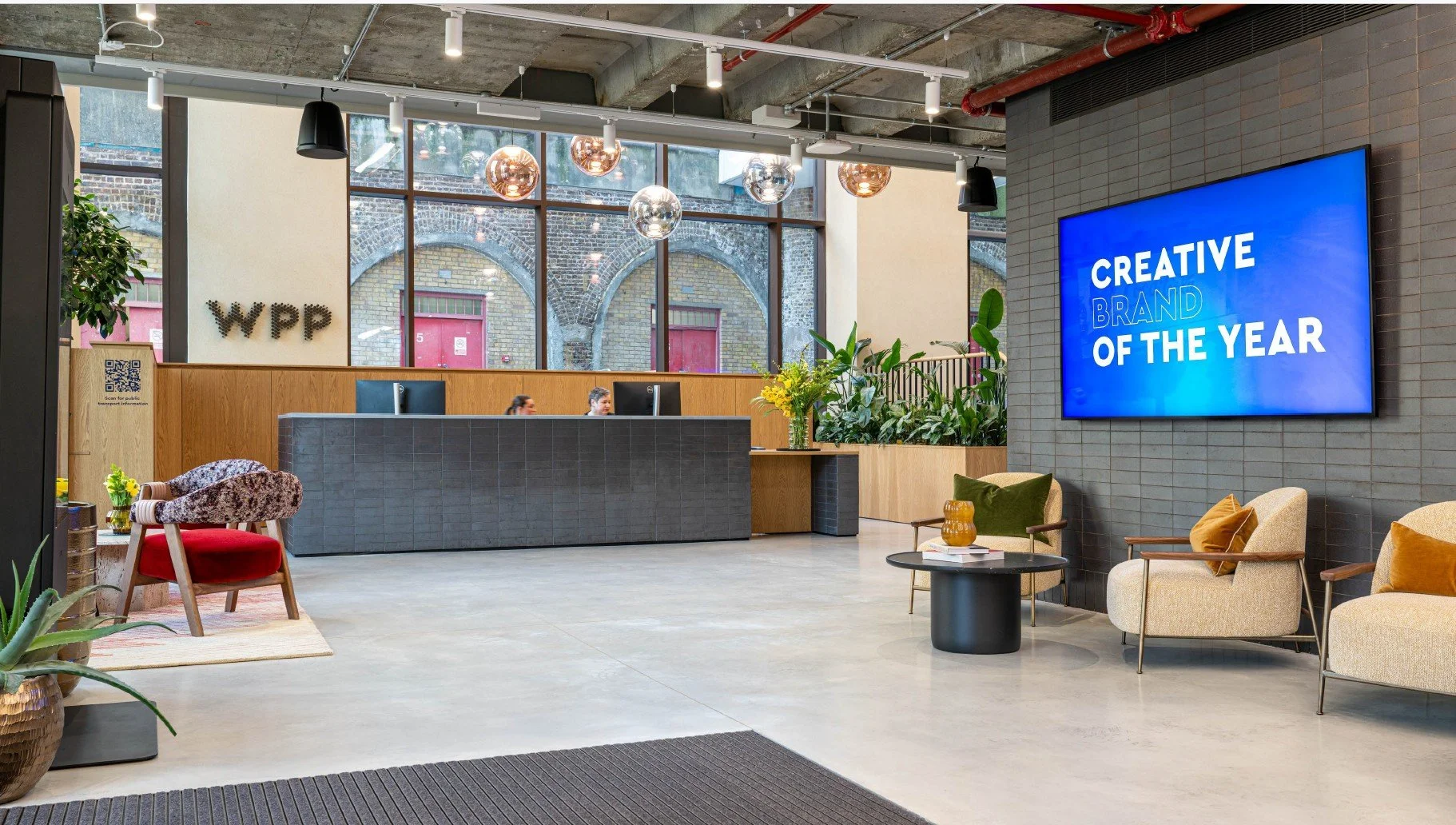
Most receptions are making a statement, whether they realise it or not. The lobby at One Southwark Bridge immediately told you what kind of building this was. High ceilings. Natural light. Flowers placed alongside coffee table books in front of velvet sofas. It felt considered rather than corporate.
I was greeted and checked in quickly, given a visitor badge and my host was automatically notified I had arrived. She messaged to say she was on her way down, which is a small detail with a big impact.
Other touches reinforced the feeling: Friendly, proactive front-of-house staff. Someone guiding visitors to lifts. Hospitality touches like hand sanitiser and hand cream placed naturally at reception. Great buildings understand something simple: Arrival is not just a process. It’s a feeling.
One of the most interesting design decisions was removing what Dan described as the building’s former “moat” - a barrier that previously separated the building from the Thames walkway. Today the building connects naturally to the public realm. You can approach it easily at street level and it feels open rather than defensive.
CREDIT: WPP
3. I loved that they got the basics right — especially guest Wi-Fi
Guest Wi-Fi is still one of the biggest failures in workplace experience. This building absolutely nailed it. A simple QR code at reception and throughout the building allowed instant connection. No friction. No confusion. No awkward asking for passwords.
Experience maturity often shows up in the smallest decisions.
4.I loved the range and flexibility of environments available
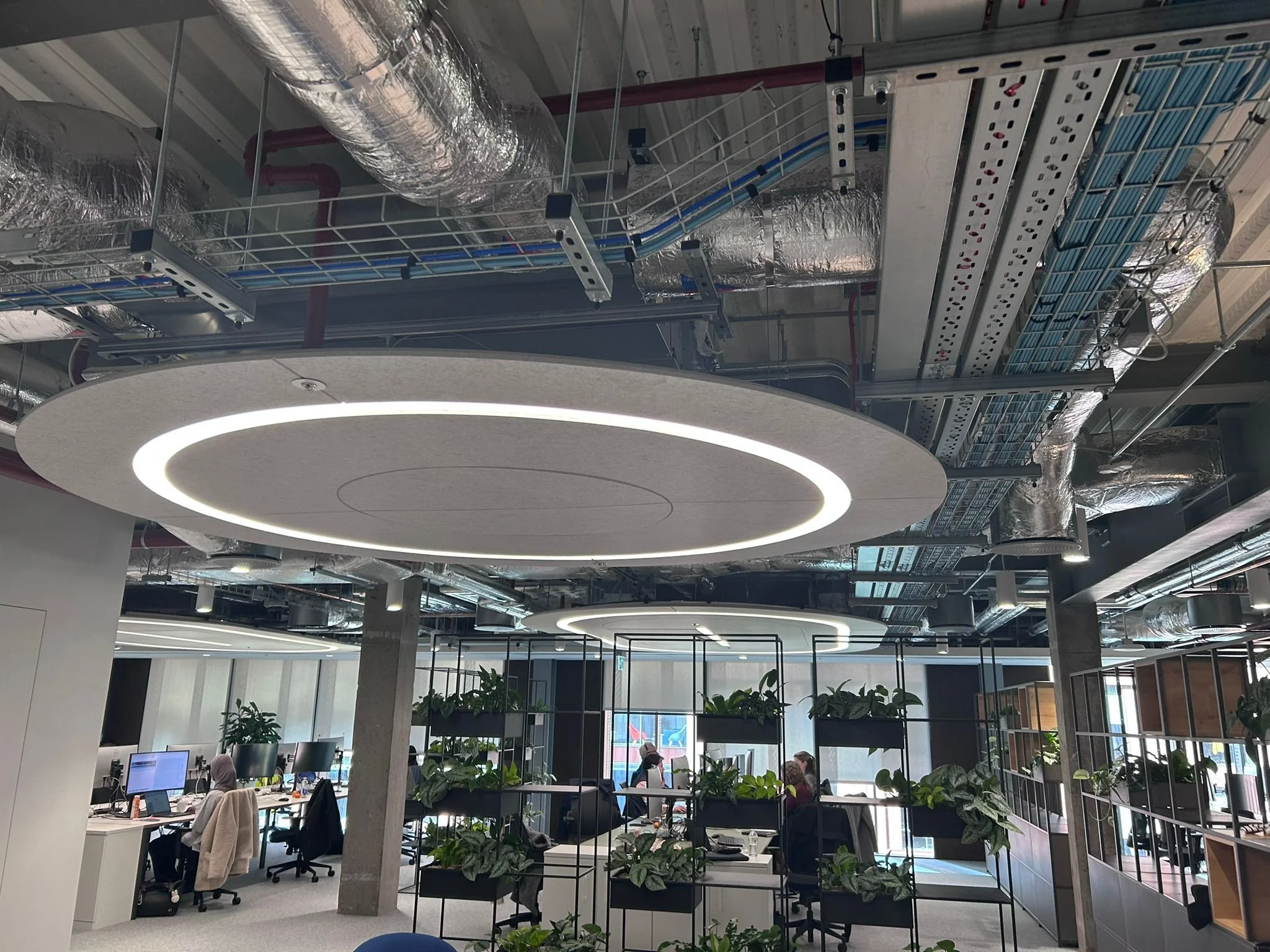
Not just rows of desks, but coworking style areas, collaboration lounges, informal working spaces and large shared tables. Each floor felt intentionally different.
Many of the spaces could also change function quickly through collapsible walls and adaptable layouts. An auditorium could connect directly to a bar space at the press of a button. Rooms could expand or contract depending on need.
Flexibility wasn’t a feature here. It was a design principle.
5. I loved how deliberately the building creates community and how seriously they take programming
At One Southwark Bridge, community isn’t left to chance. One of my favourite examples was the café space on the ground floor. During the day it’s a vibrant café full of meetings and informal work. At night it transforms into a bar. Same space. Completely different energy.
We heard from Emma Williams , Director at Green & Fortune, who shared how much operational thinking goes into creating connection between people. Around 600 people eat lunch in the building daily, and the canteen acts as a hub bringing people together from across different businesses. Interestingly, even though free coffee is available, over 61,000 paid coffees have been purchased since the building app launched. Which says something important: people will pay for quality experience, even at work.
The building runs a really thoughtful programme of events including sushi masterclasses, yoga, dietician sessions, quiz nights and free Friday lunches. This reinforces something we see across the market and with our destination activation clients at RealService. People don’t come into offices just for desks anymore. They also come in for experiences.
It's clear that this is treated as part of the building strategy, not an afterthought.
6. I loved how technology supports the experience
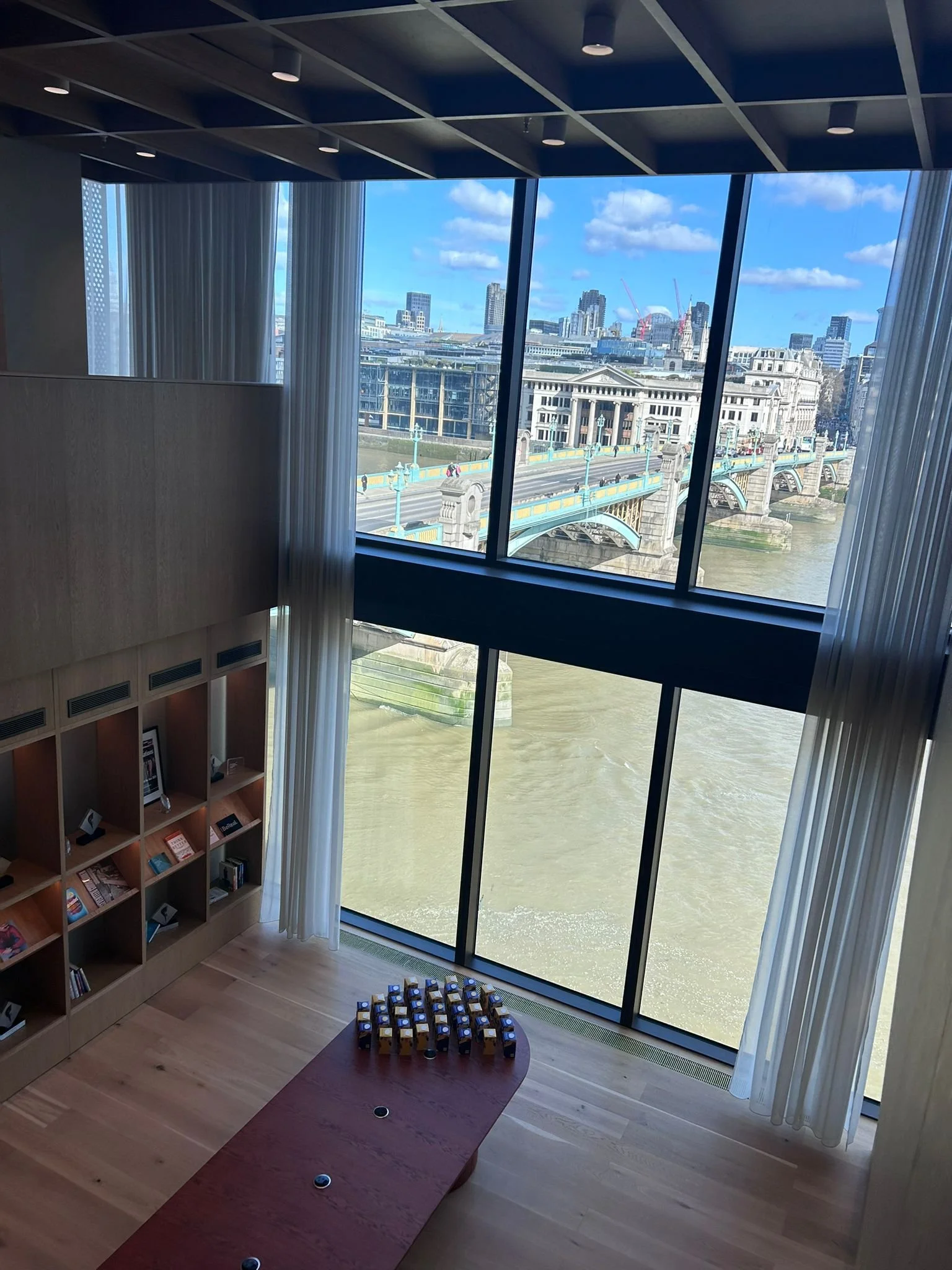
The event itself took place on the seventh floor in a beautiful, light-filled space overlooking the Thames. But what stood out wasn’t just the aesthetics, but how easy everything was to use.
Connecting to screens was intuitive. No awkward delays. No technical friction.
The building uses multiple apps for different purposes rather than forcing one platform to do everything. There’s even an AI checkout tray in the canteen to help manage lunchtime flow.
7. I loved how retrofit was treated as an opportunity, not a constraint
The project retained 75% of the existing structure while increasing usable space by around 50%. Plant was moved to the roof. Basement space was repurposed. Amenities like cycle storage, showers and hospitality spaces were introduced. The result is a future-ready building without the environmental cost of starting again.
As pressure grows around carbon and value creation, this model feels increasingly important.
8. What I really loved most: the hundreds of small decisions behind the experience
What this building demonstrates is something we see repeatedly in our work at RealService: Great customer experience is rarely about one big idea. It’s about hundreds of thoughtful decisions that remove friction, create comfort and enable connection.
From urban design. To arrival. To technology. To food. To community spaces.
Experience is cumulative.
And the best buildings understand that.
Thank you to our hosts
Huge thanks to Tania Baguley, Daniel Stanton from BDG Architecture + Design and Emma Williams from Green and Fortune for hosting the study tour.
Want to join a future Experience Makers event?
Experience Makers exists for one reason: to create space for honest, practitioner-led conversations about customer experience in real estate - without stages, scripts, or sales pitches.
To learn more about Experience Makers - visit our website here
To read more insights like this, follow me Chenai Gondo, PhD
CREDIT: WPP