
What We're Learning About Life Science, Innovation and Lab Real Estate - Reflections from our February Experience Makers Luncheon
February 6, 2026
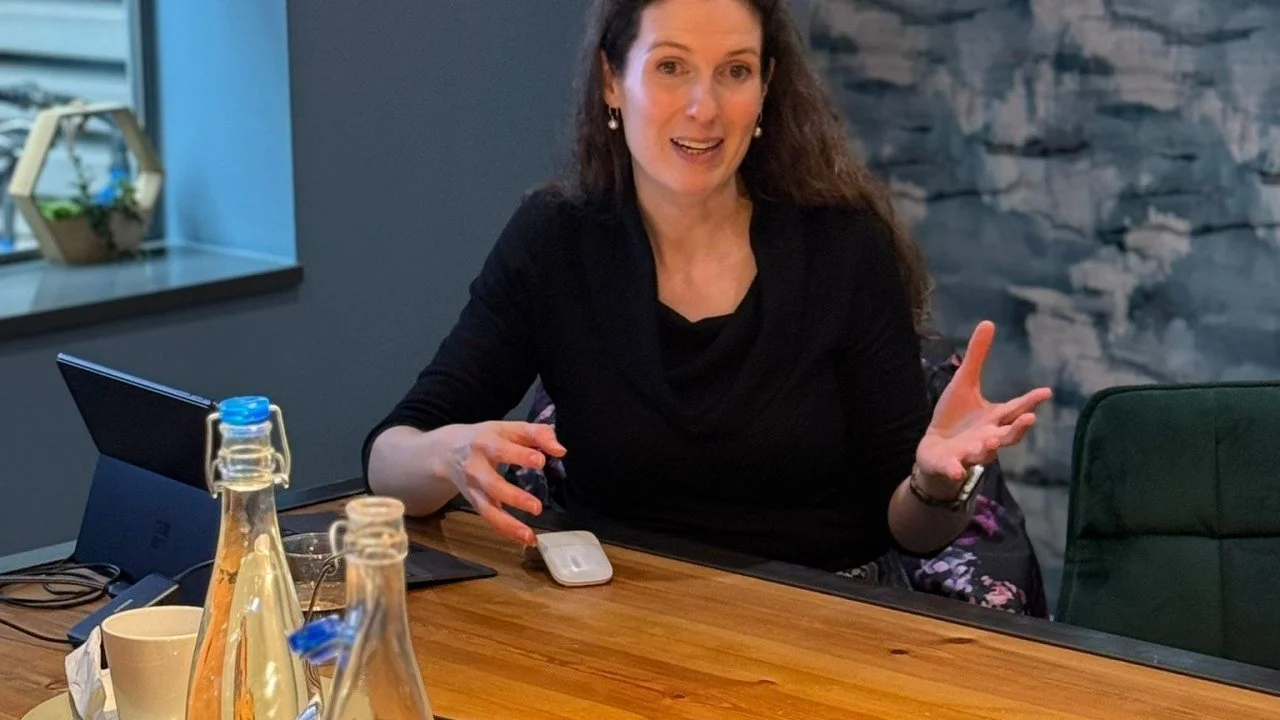
We hosted a truly brilliant Experience Makers luncheon yesterday, and one close to my heart as a research scientist turned real estate strategist.
The session focused on Customer Experience in Innovation and Lab Space, and we were incredibly lucky to be joined by guest speaker Victoria Collett , Development Director at Thomas White Oxford - which is the development company of the landowner, St John’s College, Oxford. Victoria has over 20 years’ experience creating great places across the UK and UAE, and she is currently leading the implementation of the Oxford North masterplan - a JV with St John's College, Stanhope and the Ontario Teachers Pension Plan.
Oxford North is a global innovation district comprising one million square feet of labs and workspaces, 480 new homes, and a carefully designed mixed-use environment intended to foster collaboration, innovation, and the next century of discovery.
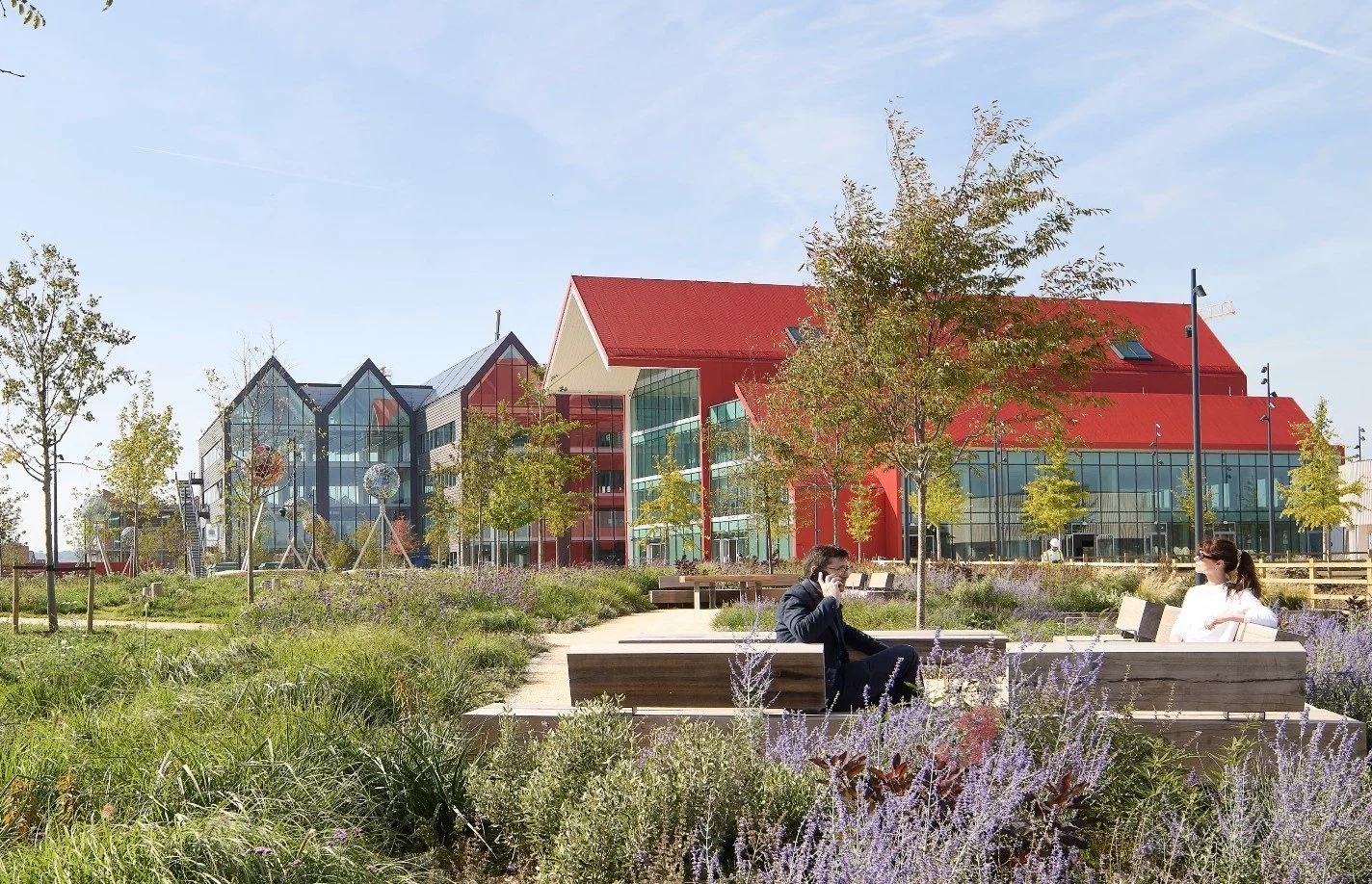
CREDIT: Oxford North
Victoria is very much at the sharp end of translating big innovation ambitions into real, functioning environments for real people. That perspective - grounded, experienced, and deeply practical, is exactly what this sector needs more of. And the innovation spaces she shared with us are absolutely breathtaking: sun-drenched, invigorating, and a far cry from the dark, grotty labs from my past.
It was a relaxed lunchtime gathering of 14 senior real estate leaders: salad, soda, and proper conversation, hosted in our office near Liverpool Street in London. It’s tucked away down one of those slightly odd streets you could easily walk past without noticing, which somehow felt perfect for the kind of discussion we wanted to have.

As always, the session was held under Chatham House Rules. That’s intentional. It creates the space for senior leaders to speak honestly, share what’s really happening on the ground, and learn from each other without posturing. The conversation that followed was exceptional. While I won’t share specifics, here are some of my own reflections about the market:
1. Nearly every life science & lab space development now has an incubator attached.
That funnel is critical. Being surrounded by other scientists, sharing ideas, and staying within a focused ecosystem really matters. Introducing a dominant non-science occupier onto a science campus can completely kill the vibe and repel others from your target market.
2. The balance between the ratio of wet lab to desk space is shifting.
Historically, developments leaned roughly 60:40 towards lab space. Increasingly, this is moving closer to 50:50 as computational science, data analysis, and digital research become more central to scientific workflows.
3. Flex and fitted lab space absolutely exists.
It doesn’t look like traditional coworking, but the principle is there - including the ability to rent individual lab benches. It's not as straightforward - obviously an organic chemist has very different needs to, say, a physical biologist. Some operators are pushing flexibility to extraordinary levels - there is a US operator that can reconfigure entire lab environments - even moving fume hoods - over a single weekend. The capability is remarkable, though the cost is, unsurprisingly, eye-watering.
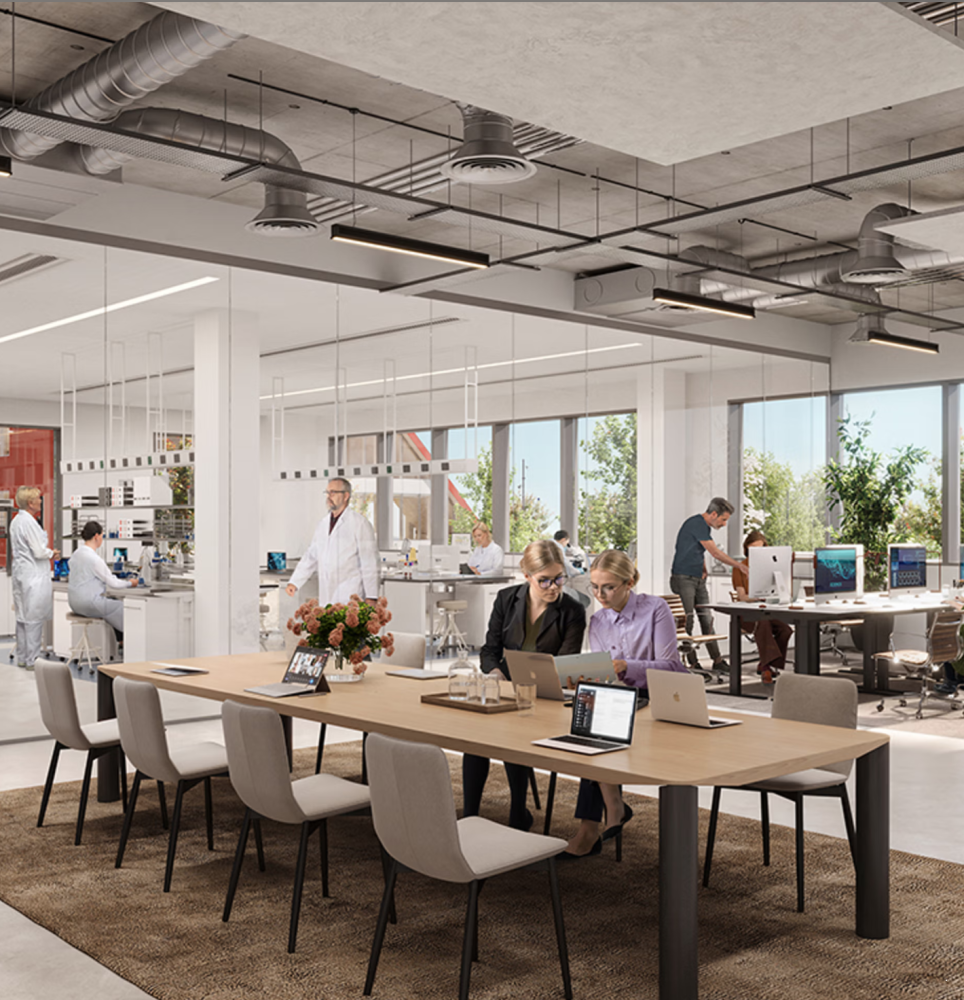
CREDIT: Oxford North
4. Alongside large organisations on longer leases, there is a large ecosystem of smaller companies on shorter leases.
This means operators need to be far more hands-on, operational, and customer-focused to retain and satisfy occupiers, as well as more sharp on how their leasing strategies. Genuinely understanding the needs of life science and innovation occupiers has never been more important.
5. The competition for science talent is fierce — and space matters.
Location is important, but so is the lived experience of being in a place. Are people energised by their environment, or quietly dreading it? Customer experience is becoming a real differentiator.
6. Green space, chill-out zones, and art are not “nice-to-haves”.
They are critical to creativity, wellbeing, and problem solving. Scientists and innovators need places to decompress, think differently, and channel creative energy. The most successful campuses are deliberately designing for this.
7. Finally, the era of dark, grotty labs is firmly behind us.
The spaces Victoria shared were breathtaking - sun-drenched, beautifully designed, energising environments that genuinely make you want to be there. It’s a powerful reminder that design quality is no longer cosmetic. It directly impacts productivity, wellbeing, and innovation outcomes.
Oxford North itself is genuinely breathtaking, and the Experience Makers are already talking about organising a study tour later this year. I am personally lobbying for a summer visit — potentially involving a picnic in the campus park (which, fun fact, is roughly the size of Trafalgar Square).
If you are a senior leader who owns, develops, or operates real estate for innovation and science, and this resonates, do reach out — we would love to meet you.
A huge thank you to Victoria for such an insightful and generous talk, and to everyone who joined us and continues to make Experience Makers such a thoughtful, curious, and collaborative community.
Want to join a future Experience Makers conversation?
Experience Makers exists for one reason: to create space for honest, practitioner-led conversations about customer experience in real estate - without stages, scripts, or sales pitches.
To learn more about Experience Makers - visit our website here
To read more about Oxford North - visit their website here
To read more insights like this, follow me Chenai Gondo, PhD

PS - check out my shoes. They are cool right?