
Highlights from Experience Makers IWD Salon: What Women Notice About Space
March 11, 2026
I’ve always been a woman’s woman - the kind who genuinely loves the company of other women. Maybe that’s because I went to an all-girls school growing up. And then, in what felt like a rare privilege, I went to an all-women’s university called Mount Holyoke in western Massachusetts.
Yes, those still exist.
There were many strange and wonderful things about studying there, but one fact always stuck with me: The stairs in the Mount Holyoke library were specifically designed for women’s hips. It sounds bizarre, but until someone says it out loud, you probably never think about stairs having a gender bias. But once you hear it, you start noticing something bigger:
Most things in the world are not designed for women.
The consequences show up everywhere, from medical research, to car crash test dummies to office temperatures. Once you see it, you can’t unsee it.
And it raises a fascinating question for anyone working in the built environment: What happens when we start designing and operating places with women in mind? Who are our buildings actually designed and operated for? For decades, much of the real estate experience has been designed around a default user who looks suspiciously like… a man with a briefcase.
A Different Kind of International Women’s Day Conversation
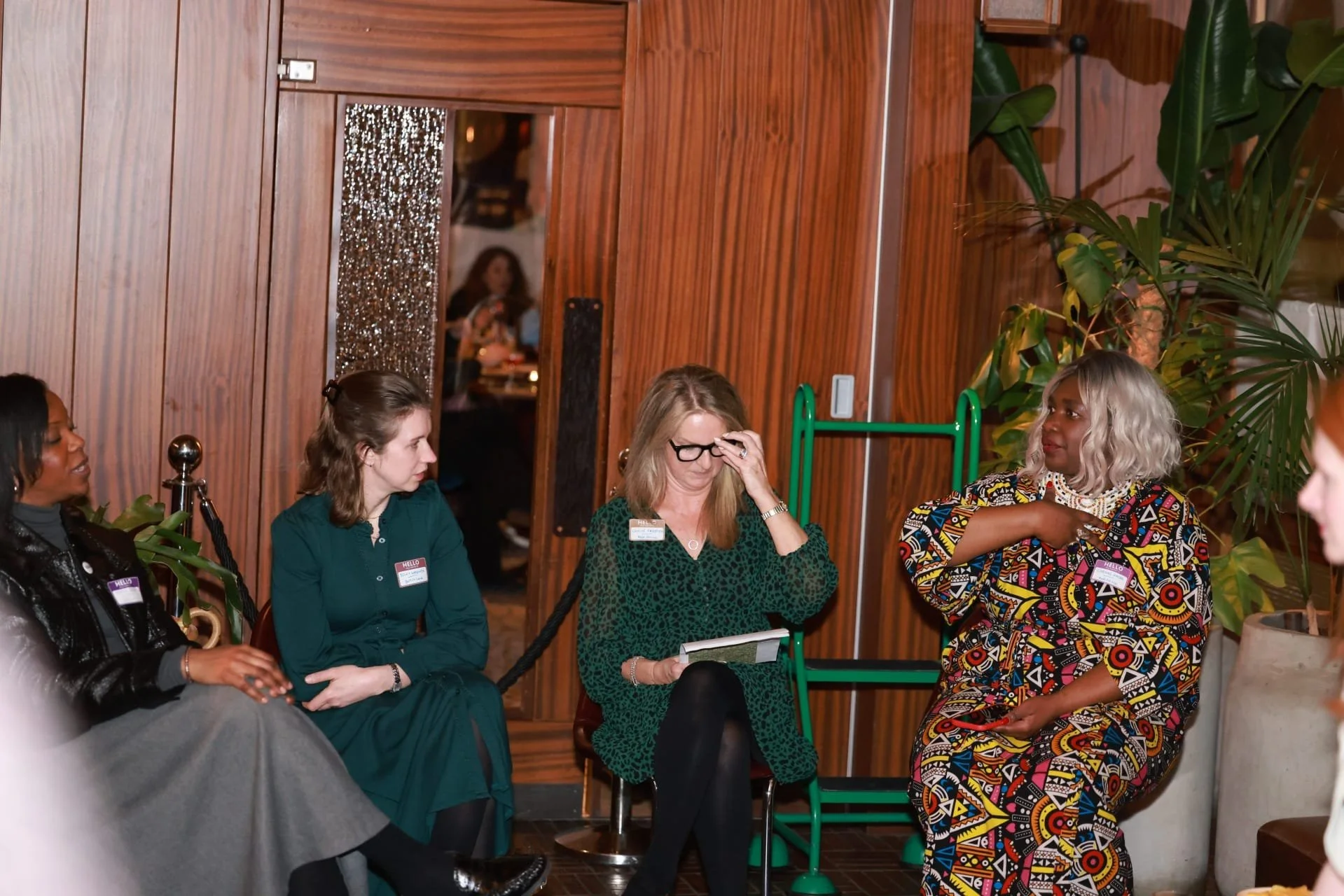
Last week, we hosted an Experience Makers salon for International Women's Day at the beautiful Library Lounge of The Standard Hotel London.
Instead of a stage and microphones, we created something closer to a salon, inspired by the intellectual gatherings of Paris a century ago.
Instead of another panel about careers or leadership, we decided to talk about something more unusual: What does it mean to design buildings, cities and workplaces that actually consider women’s experiences?
The room was full of senior leaders from across real estate - investors, developers, operators and experience specialists. People responsible for shaping the places where millions of people spend their time.
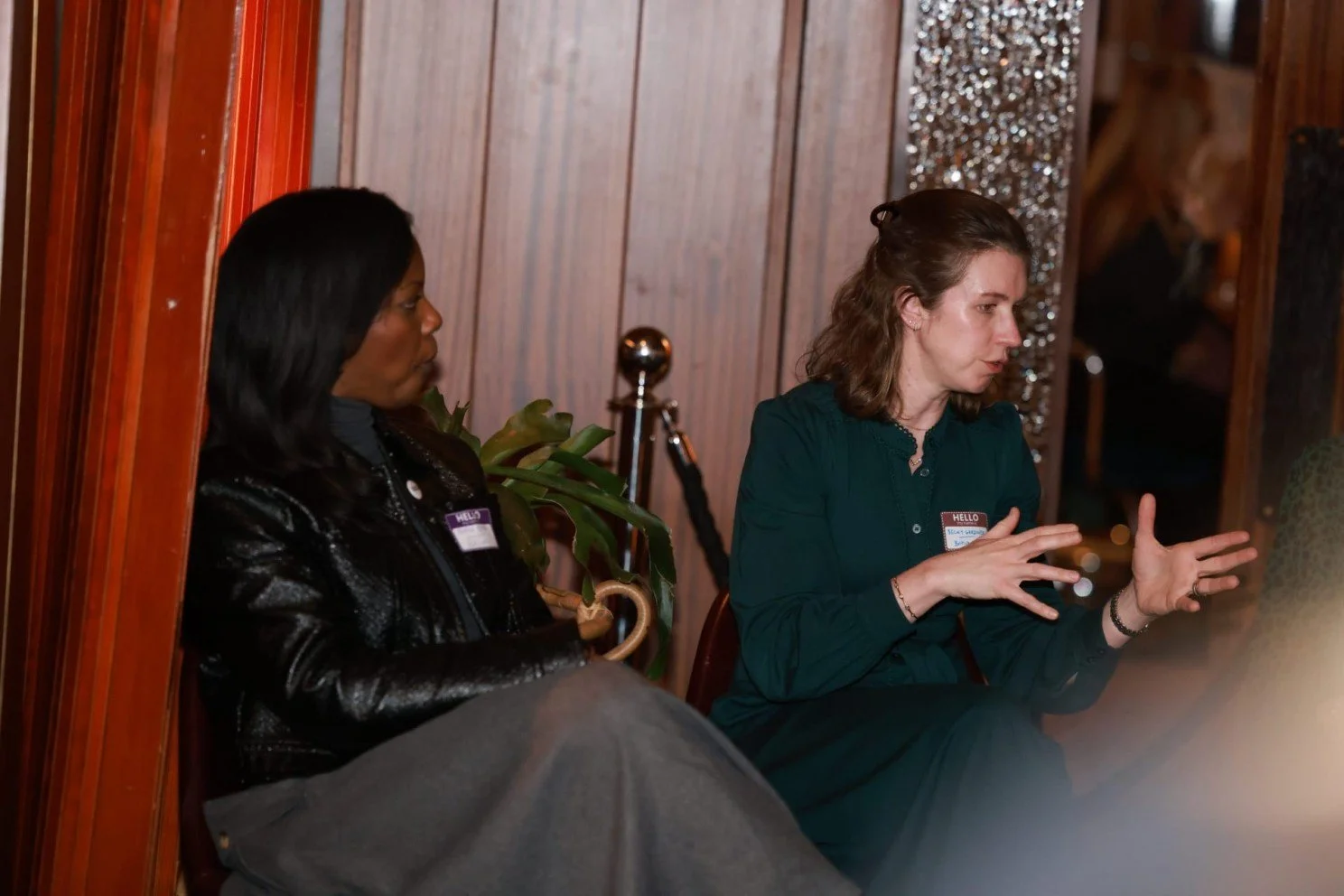
I was incredibly honoured to be joined by three brilliant speakers:
Becky Gardiner , Head of Storey and Managed Workspaces at British Land
Olaide Oboh , Managing Director of Populate
Louise Freethy , a colleague of mine, and Senior Advisor at RealService
The room was absolutely vibing - the fashion was on point and the energy was electric. My only mistake? No microphones. I’ll admit it: the concept worked beautifully in spirit, but with a packed room it was sometimes hard to hear the speakers. Lesson learned. For those who caught the conversation — and those who missed parts of it — here were some of the key insights from the evening.
To see all the photos from the event, visit our website: https://www.experiencemakers.com/past-event
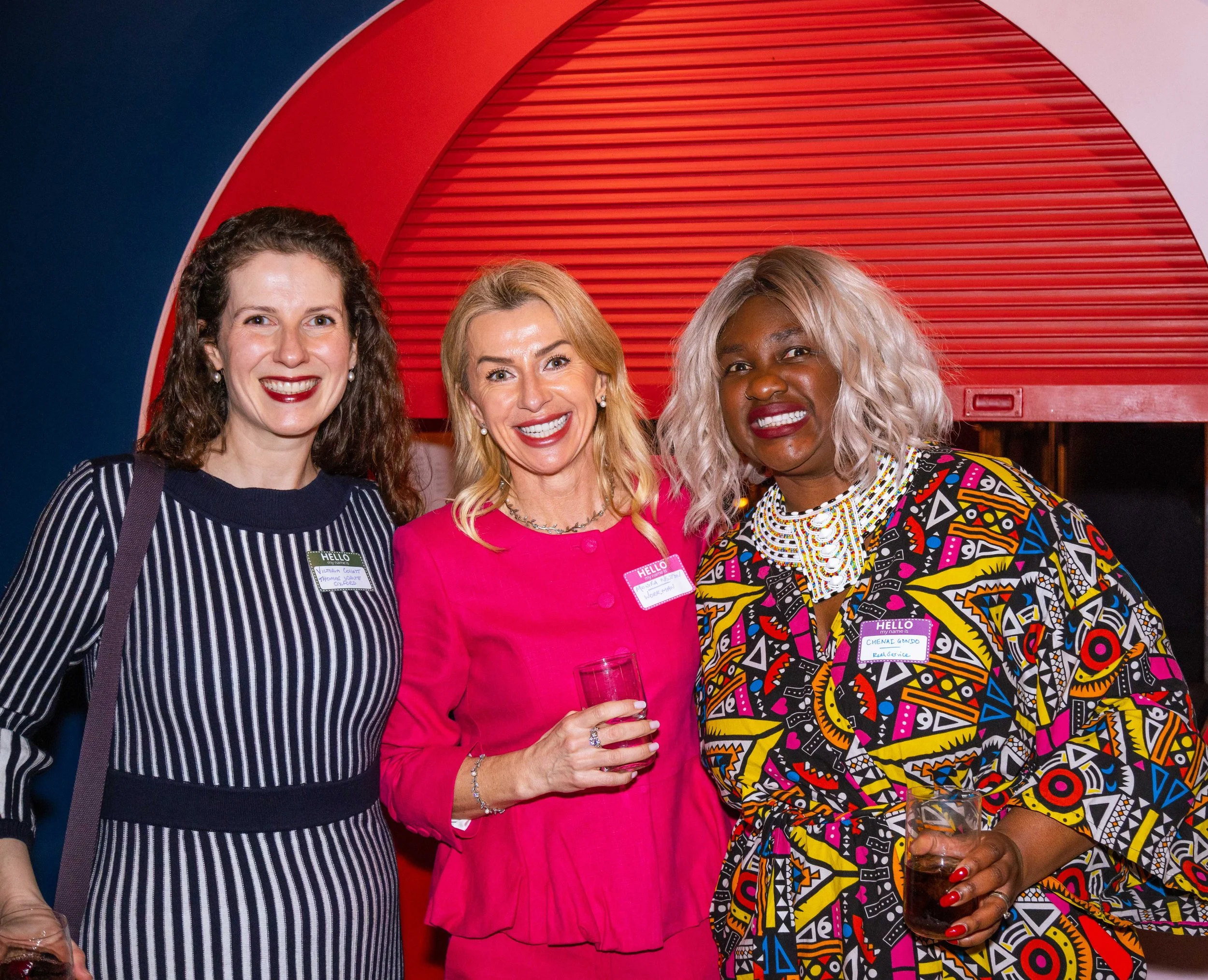
with Monika Newton Victoria Collett Chenai Gondo, PhD
1. Women are increasingly the real estate decision-makers, and they notice different details
Perhaps the most important commercial point raised during the evening is that the people deciding where organisations take space are increasingly women, so ignoring how women experience space is increasingly a commercial blind spot.
Several speakers pointed out that women frequently pick up on details that others overlook. Great places are often defined not only by the big architectural gestures, but by hundreds of small operational decisions.
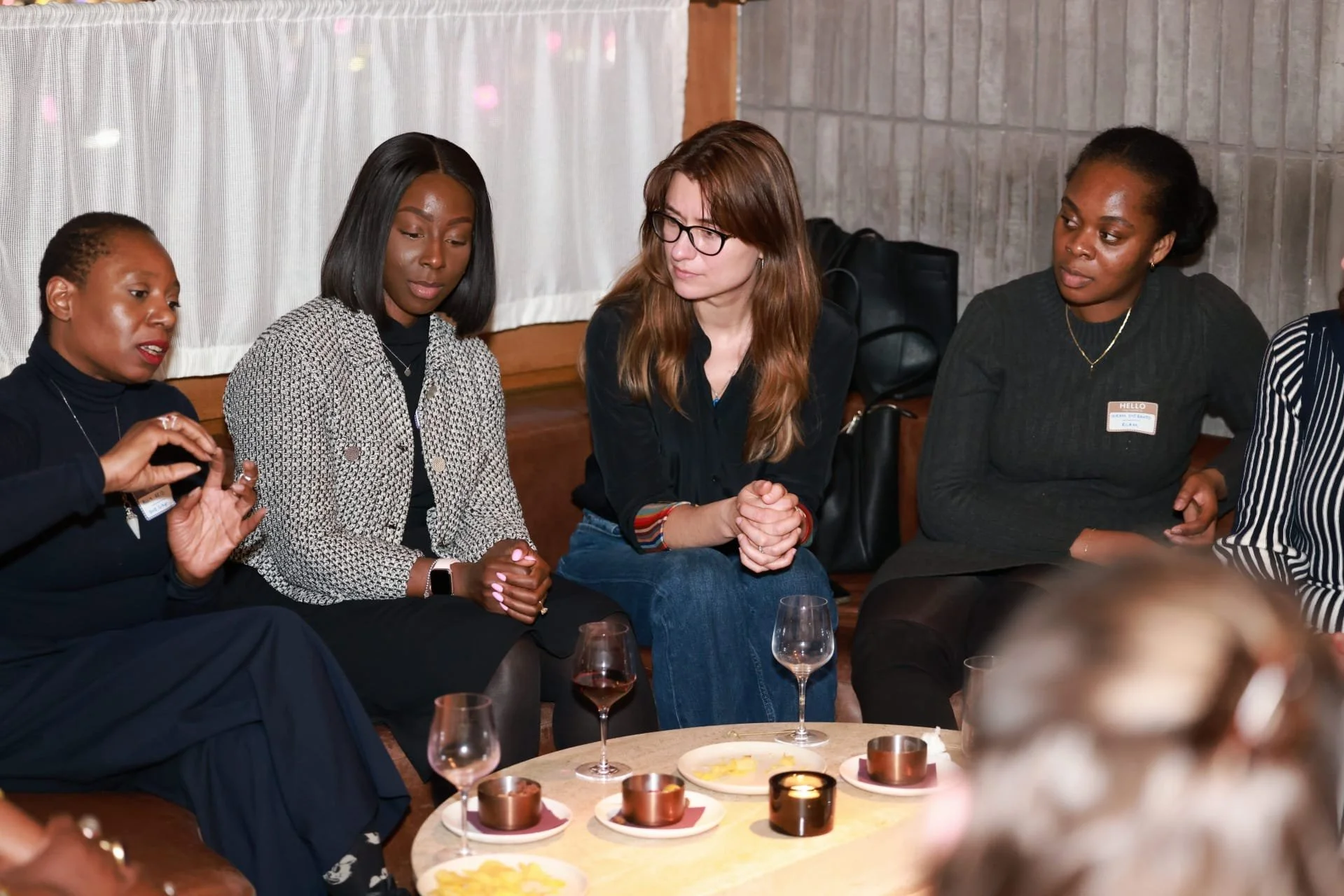
With Ally Reid Elizabeth Opeagbe Valentina Shegoyan and Ikram Oyebanjo MRICS
2. Safety is one of the first things women assess
For many women, safety is one of the first lenses through which a space is experienced. We make a rapid subconscious assessment of questions like "is this space well lit, are there visible staff around and would I feel comfortable leaving here late at night?"
At the event, every guest received a personal safety whistle - a small but symbolic reminder that safety is something many women think about constantly.
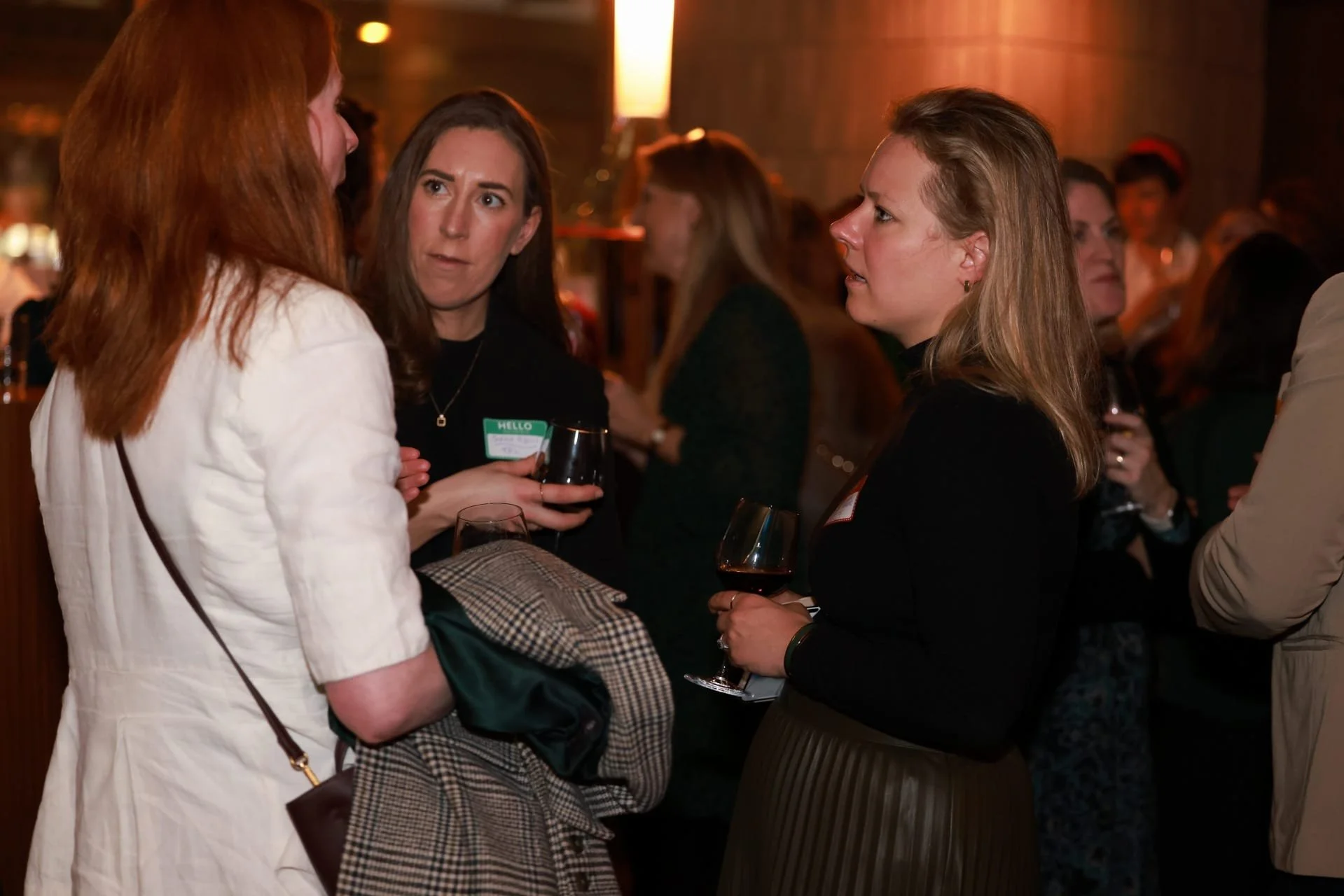
with Polly Warrack Olga Turner Baker MRICS WELL AP Non Exec Director Sophie Eglin
3. Temperature still matters more than most property managers realise
Many people first encountered this idea through Invisible Women, the book by Caroline Criado Perez which explains how much of the world’s data and therefore design decisions are based on the “default male”. As highlighted in the book, office temperatures are historically set based on the metabolic rate of a 40-year-old man. Which explains why so many women are freezing.
Achieving perfect comfort in large open-plan environments isn’t easy. But the discussion revealed something interesting: building teams often see disproportionately more comfort complaints from women. Temperature may seem trivial, but if half your building users are uncomfortable all day, it’s not trivial at all.
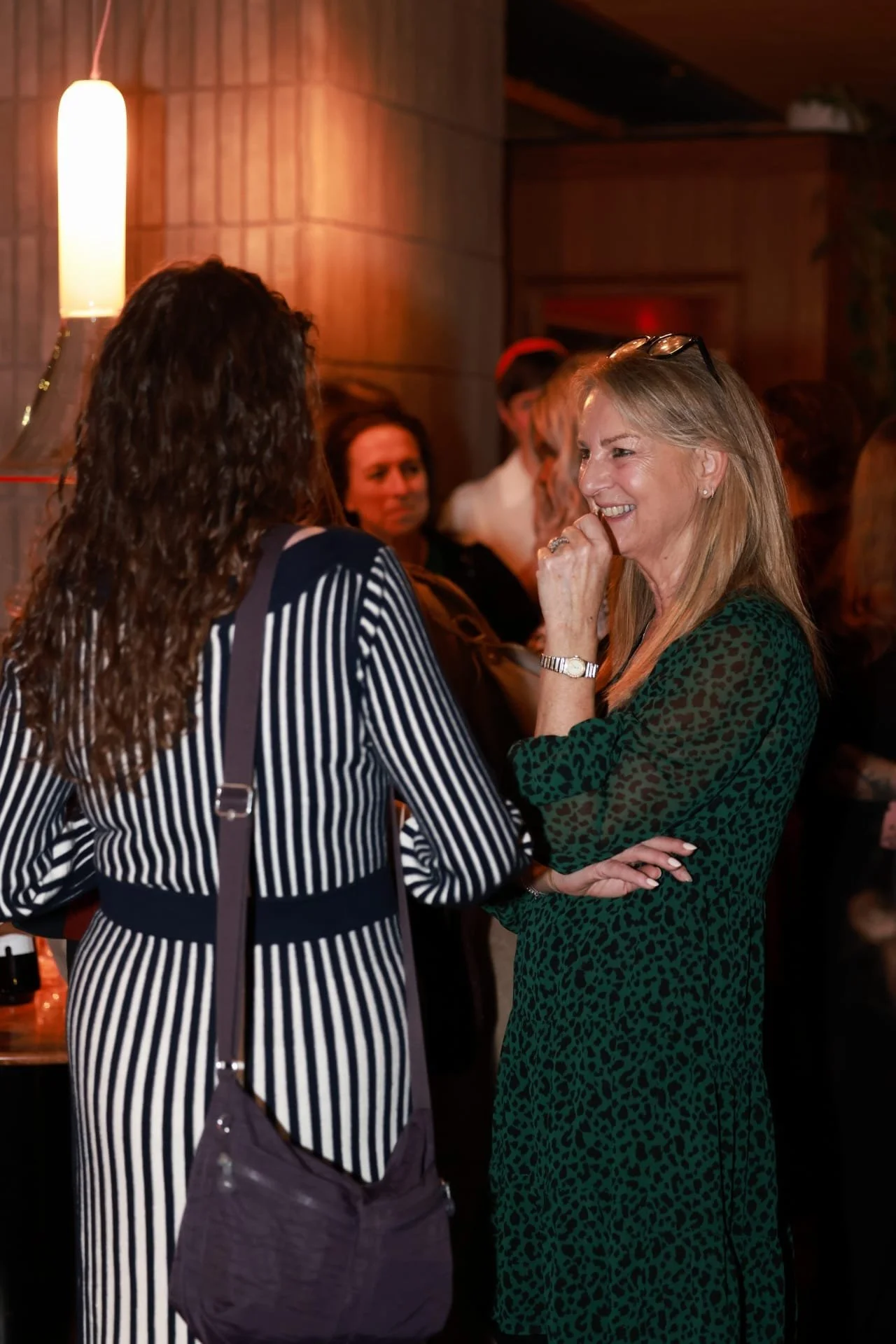
with Victoria Collett Louise Freethy Lorna Pepper MRICS IMC
4. Accessibility often becomes visible through caregiving
Because women are statistically more likely to be carers, they often experience buildings differently. Anyone who has ever tried to navigate a building with a buggy knows how quickly accessibility issues appear.
Women who regularly move through buildings with children or dependants tend to notice these issues immediately. And interestingly, when a building works for someone pushing a buggy, it usually works better for everyone else too.
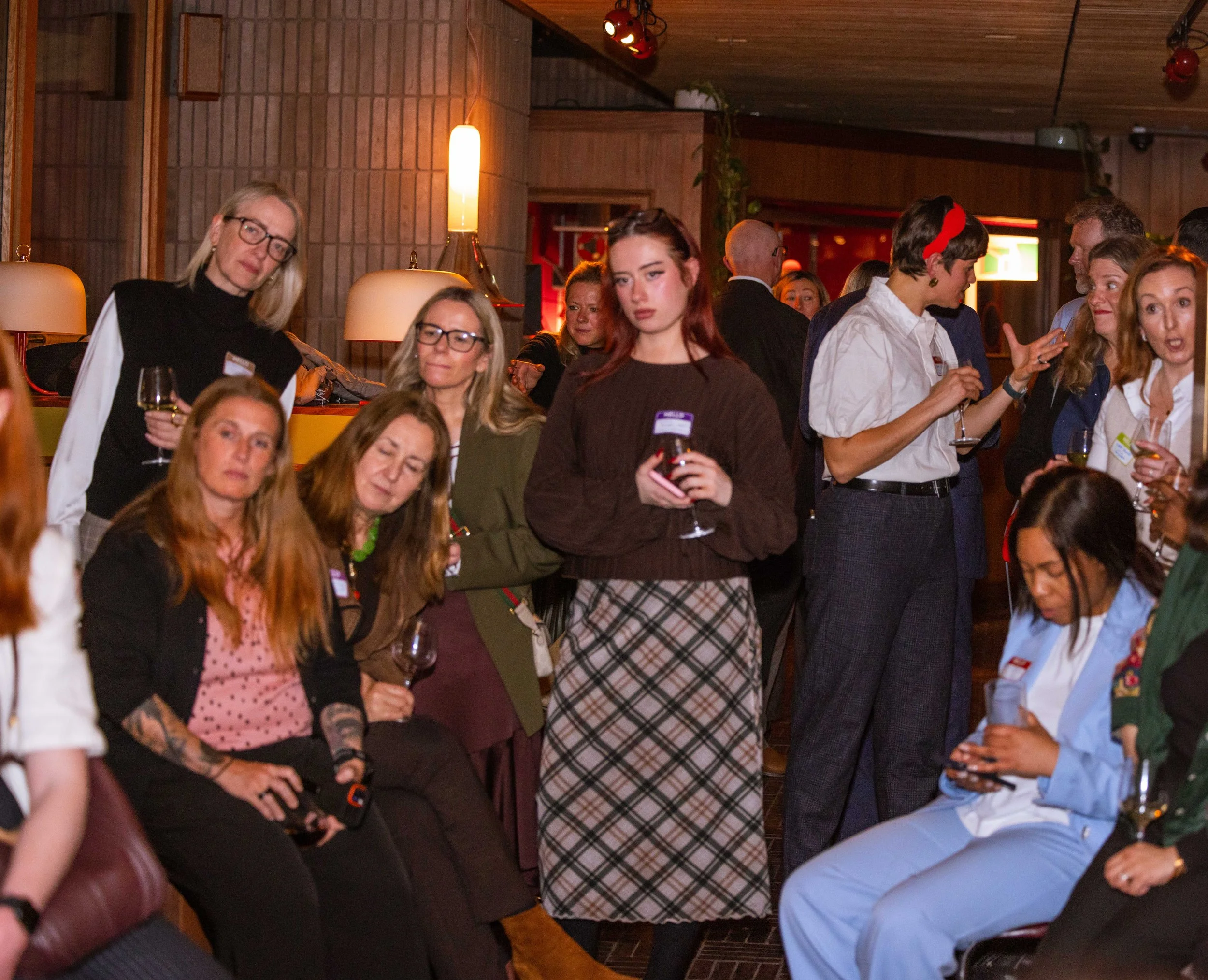
5. Wellness spaces are not a “nice to have” — they are heavily used
There is real evidence that wellness spaces are used significantly more by women. As women now make up roughly 50% of the workforce, and increasingly senior leadership, understanding wellness provision is becoming more important.
How many spaces should there be? What type of spaces work best? Where should they be located?
*One person shared a story about a development team that proudly delivered a wellness room… directly next to the HR director’s office. It took about five minutes for everyone to realise that was probably the worst possible location.
6. Softer spaces enable different kinds of conversations
Many leadership roles involve conversations that are sensitive, political or complex. Those conversations don’t always work well across a desk. Sometimes they work much better on a couch, in a a lounge setting or in a semi-private breakout space
Workplaces designed entirely around desks and meeting rooms often miss this subtle but important dynamic, and women are far more likely to notice and recommend that.
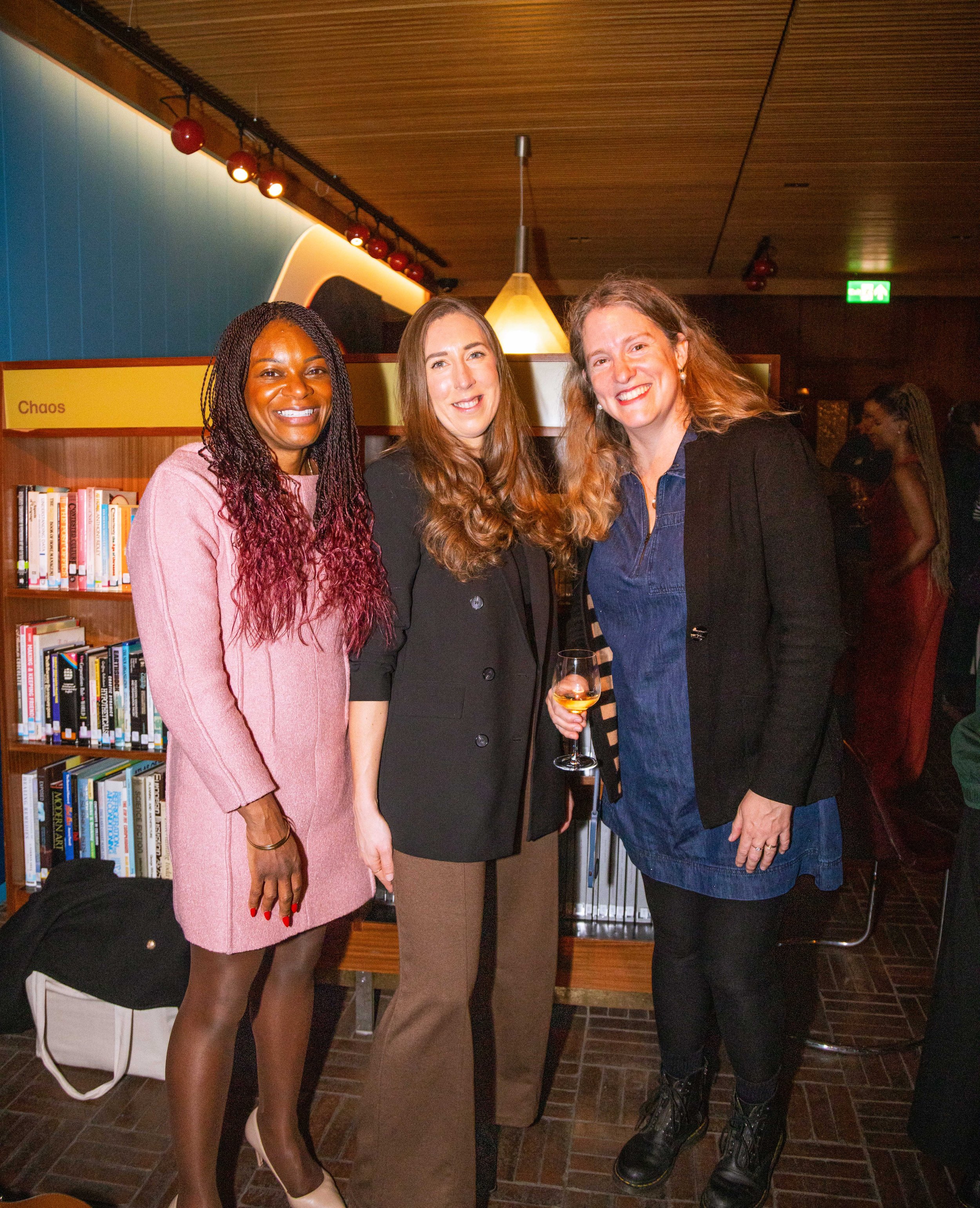
with Nioki Doggett Tania Baguley Sophie Eglin
7. Designing for women means recognising diversity among women
Another important point: women are not a single category. Designing inclusive spaces means recognising diversity across many dimensions such as pregnancy and breastfeeding, disability and accessibility, caring responsibilities and different life stages
When we say “designing for women”, what we really mean is designing for a broader range of human experiences.
If we want places that truly work for people, we need to start asking better questions about who those people are.
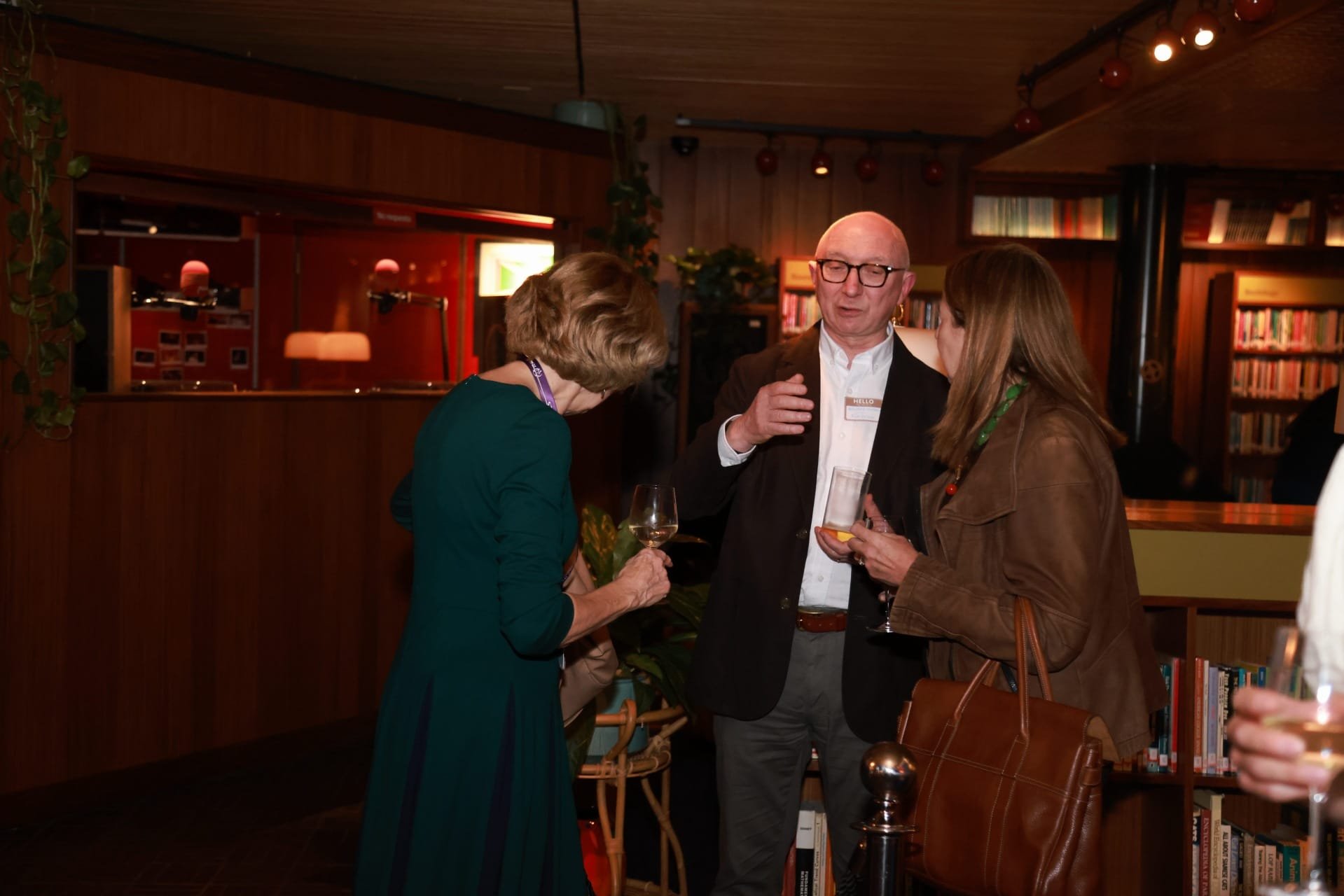
with Howard Morgan Liz Peace
Join Us at a Future Experience Makers Event
If you misssed this event, do not despair. We’re hosting a number of Experience Makers events over the next few months.
Thursday 26th March 2026 Study tour of WPP’s new HQ One Southwark Bridge, including breakfast and a talk - with fantastic speakers including Daniel Stanton and Carol Kavanagh-Hall
Tuesday 19th May 2026 UKREiiF Breakfast (co-hosted with Locale ). This is a fringe event on the Tuesday morning before things get crazy.
You can read more about upcoming events here: https://www.experiencemakers.com/events
And if customer experience in real estate is something you care about, you’ll be in very good company.
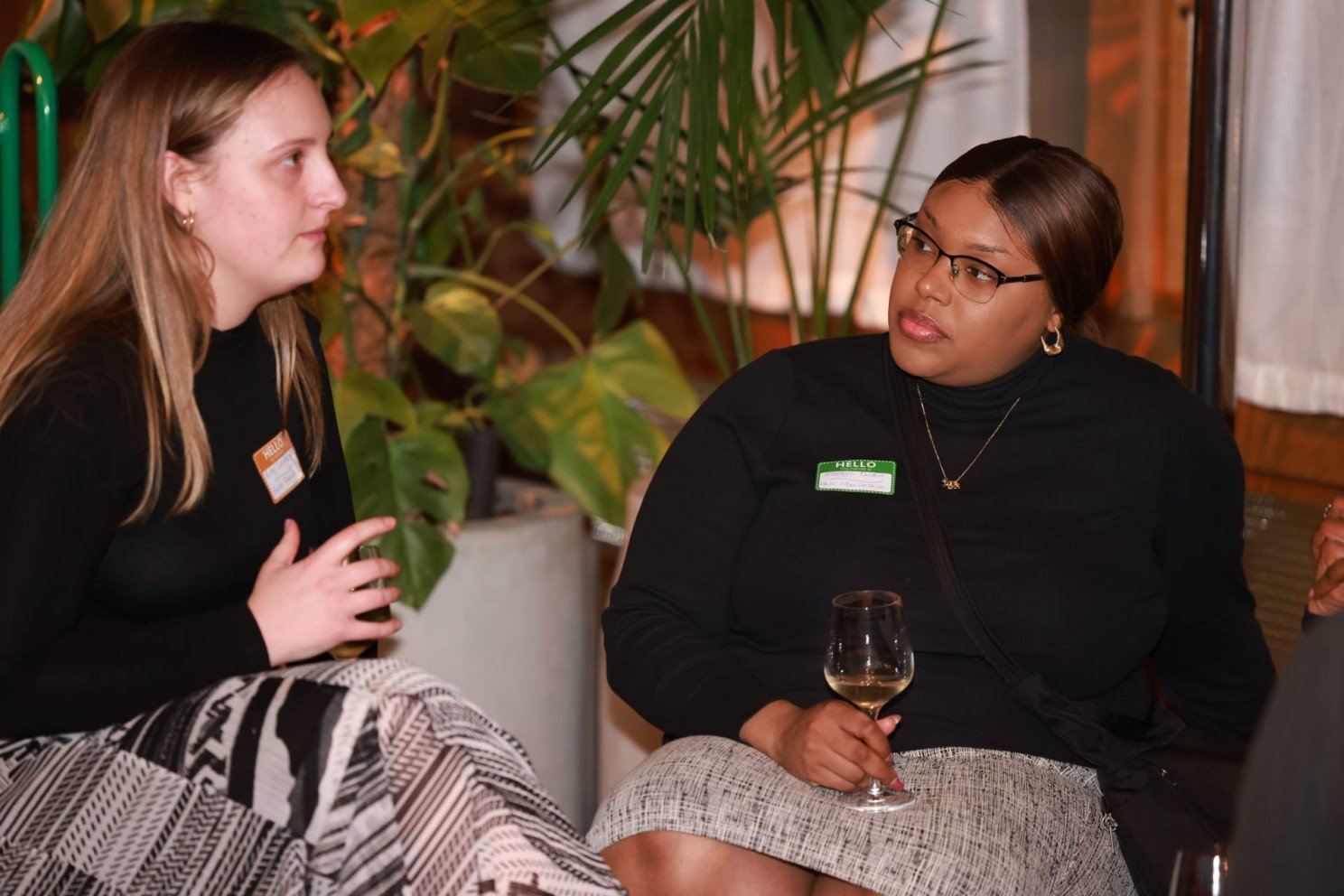
With Sheryl Owen Ruby Llewelyn
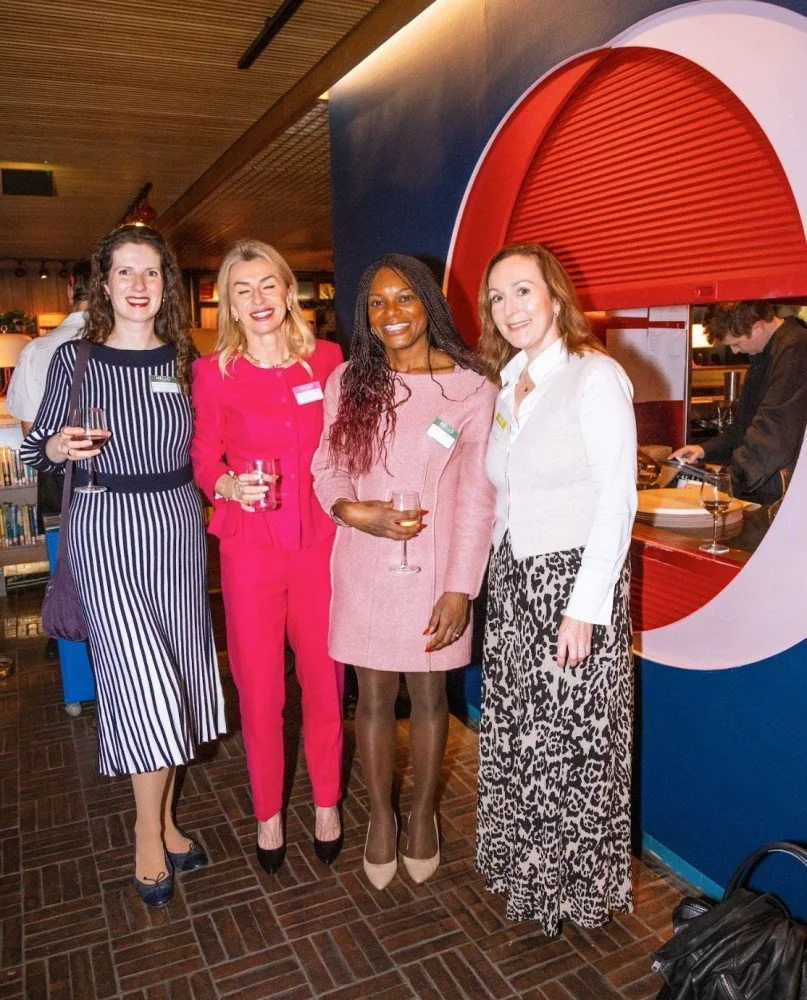
with Victoria Collett Nioki Doggett Monika Newton Clare Sawyer
with Bronny Wilson