
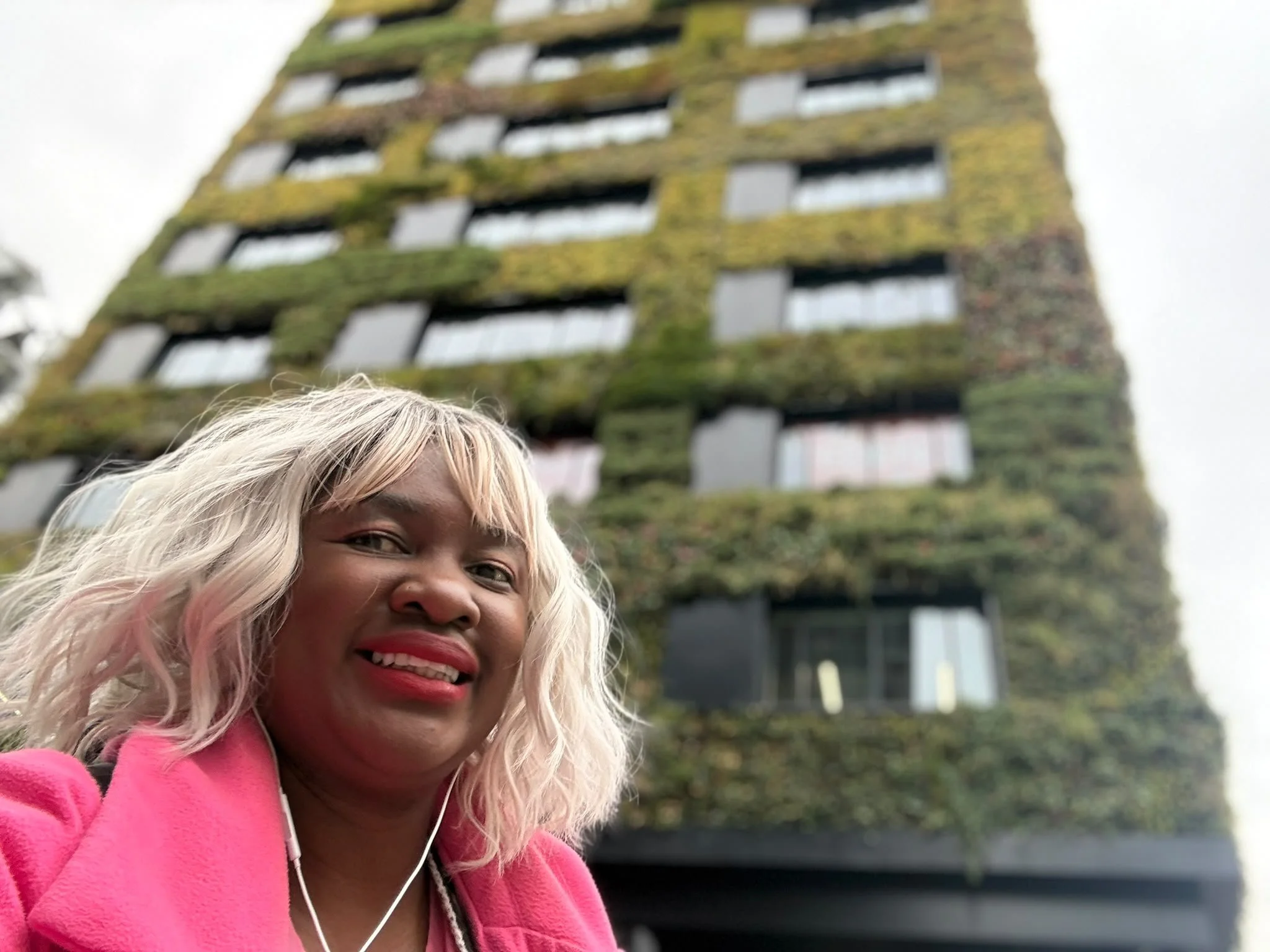
We’ve all seen photos of Eden: the Manchester building with plants covering its exterior. It looks amazing, but far fewer people have been inside to see the magic for themselves.
What does it take the property management team to run a building like that? What’s inside? And how does a building known for sustainability create a good experience for the people who work there?
Last week, Experience Makers hosted a customer experience study tour to find out what makes it work, not just as a sustainable building, but as a place people love to use every day. View the full photo gallery from the tour.
Here are ten fascinating facts I learned.
1. What makes the 110,000 sq ft building one of the UK’s most sustainable office buildings.
We spent the tour looking at what that means in practice. A few examples are that lifts are 60% more energy efficient than typical lifts - individually metered and designed to call the nearest available lift rather than rotating through them. Everything else in the building is metered, the BMS team designs the reports and the building manager can download ESG reports on demand. Some of the shared meeting rooms also use curtains to divide the space rather than walls, which reduces the amount of concrete needed.
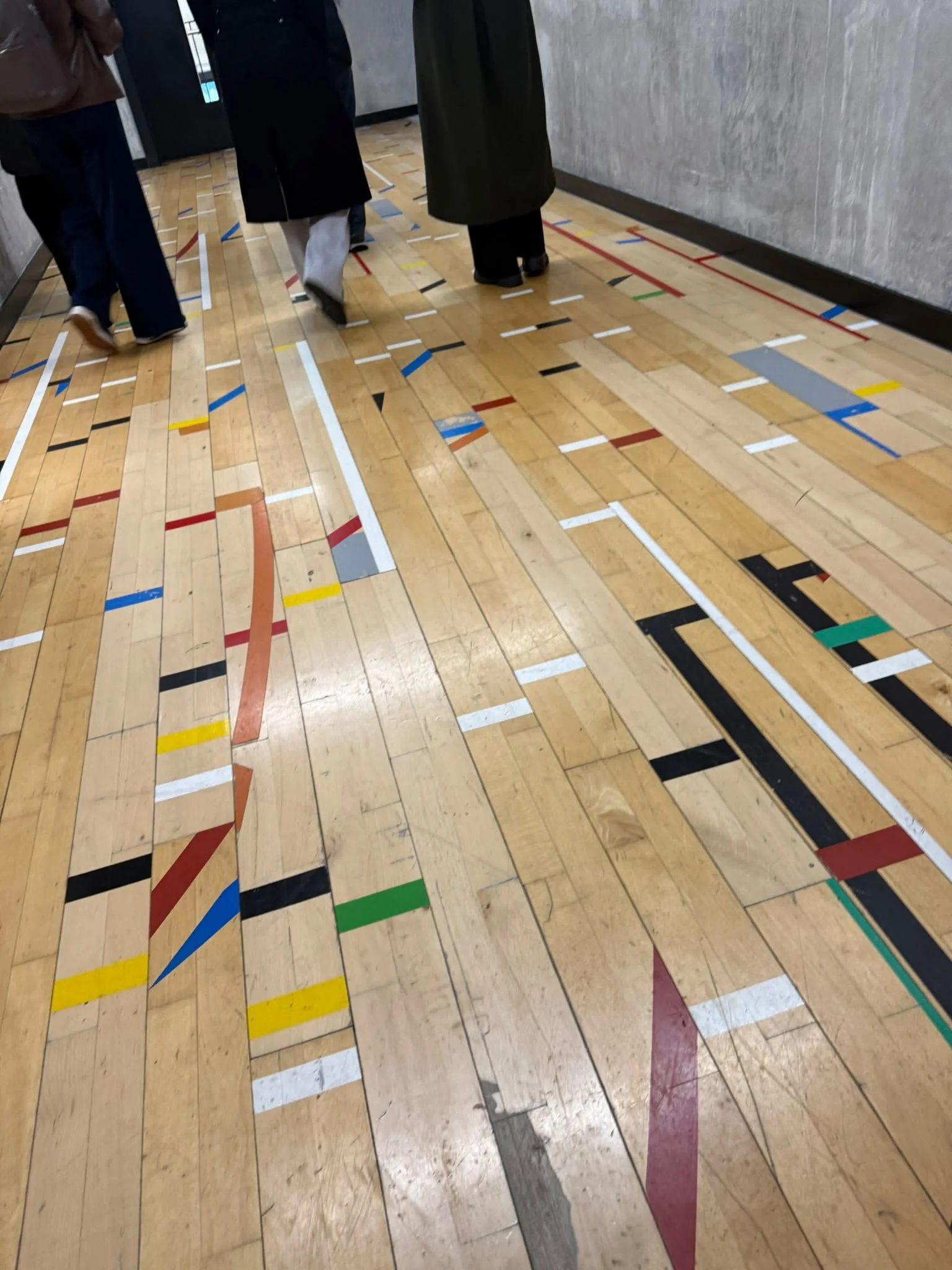
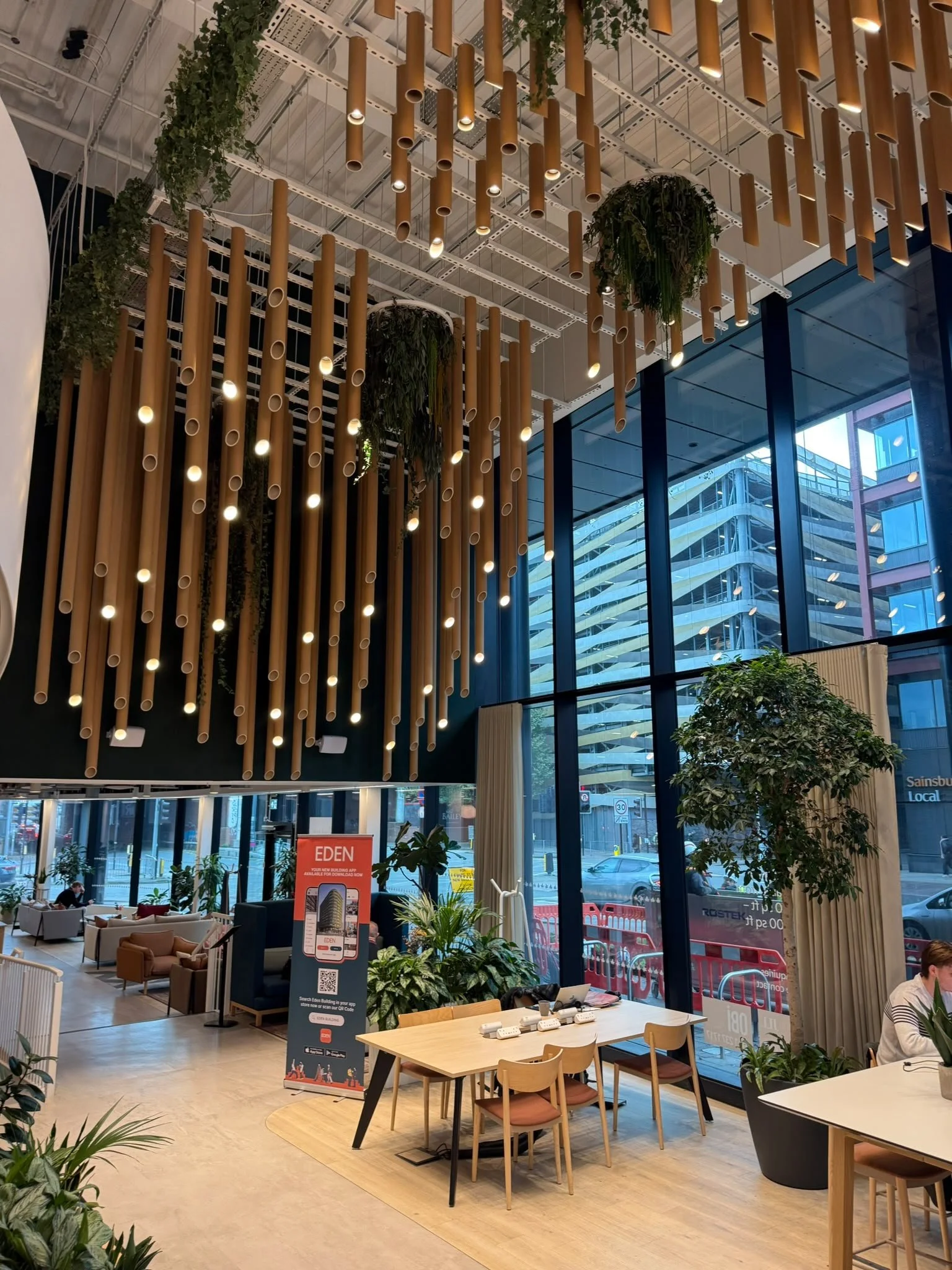
2. All the furniture and even the floor is reused, recycled or refurbished
The floor across the entire building will make you nostalgic for high school - that's because it was reused from a gym at the University of Central Lancashire. The furniture in the building is reused, recycled or refurbished and some of the light fittings are made from cardboard tubes. They also use local contractors.
3. The café began as a trailer at New Bailey
There's a great social sustainability case study at Eden. Sam, who runs the café at Eden, started with a trailer at New Bailey. The café is now in the building and open to the public, and Sam has just opened her third site. The café gives people who work in Eden somewhere to go, while also bringing members of the public into the building and supporting a local business.
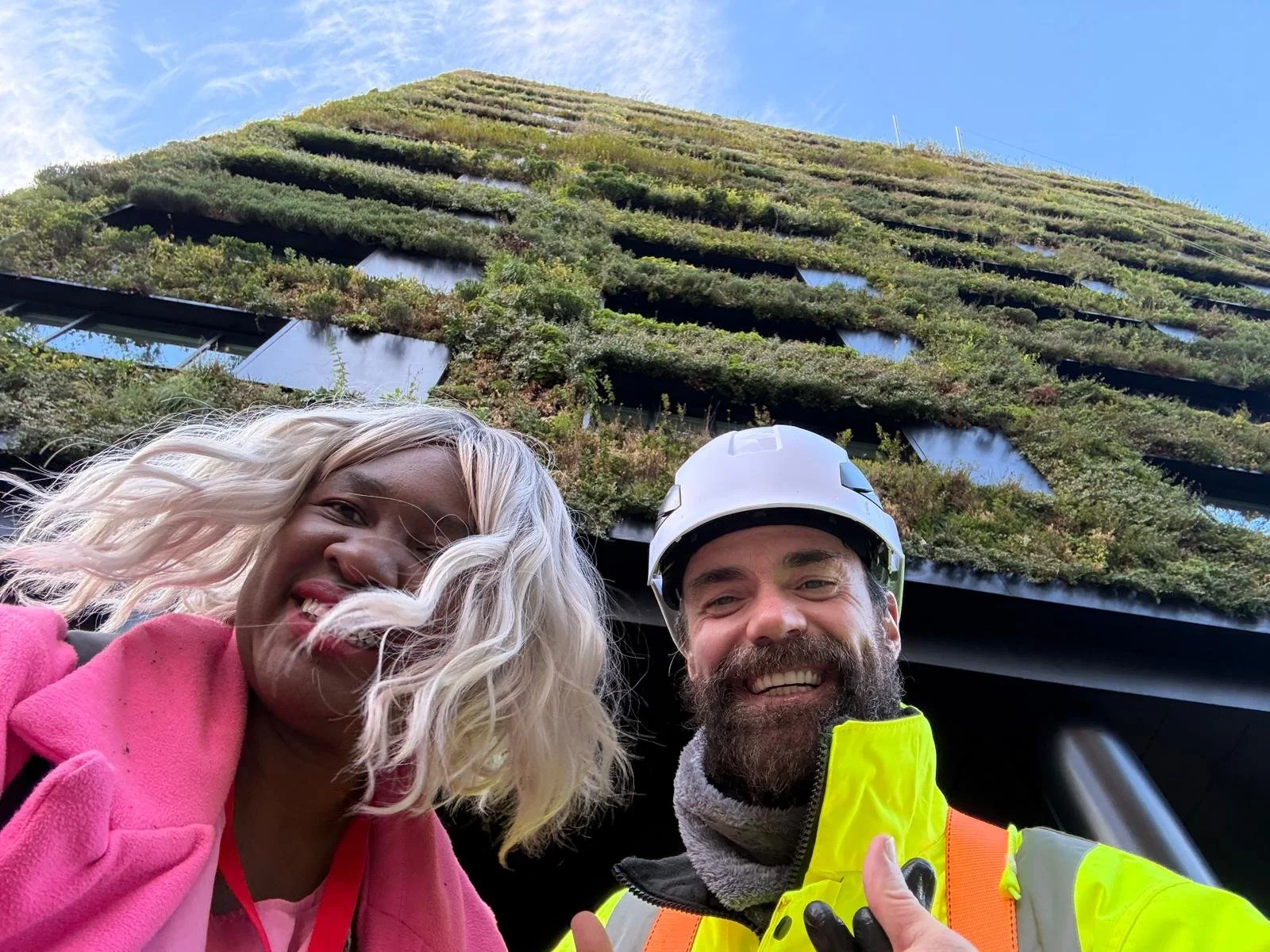
4. The living wall has 365,000 plants and takes a team of of three to look after for much of the year
The living wall contains 365,000 plants. It’s the feature most people recognise from the outside, but those numbers give you a sense of the scale of what’s growing there.
There’s a dedicated room for natural fertiliser, and a team of three people looks after the plants for around 45 weeks of the year. It takes a lot more than planting a wall and hoping for the best. That was one of the most surprising parts of the tour: the amount of planning, space and regular work needed to keep the living wall healthy.
5. The building manager works in the lobby, where occupiers easily can approach her
Sophie Stephenson , who hosted our tour really understands customer experience. She doesn’t sit in an office in the basement. She works in the lobby, where occupiers can see her and come over to ask for help. As she put it:
“People see me and they know that they can approach me. Sure, I’m always being interrupted, but people know that I’m happy to be approached.”
That’s a very deliberate way of working - she sees being visible and easy to approach as part of her role. Her approach to customer experience starts before move-in, and is very modern and hybrid between digital and physical. As soon as a lease is signed: Sophie gets in touch, sends a welcome video and meets people in the months before they move in. By the time they arrive, they already know who she is.
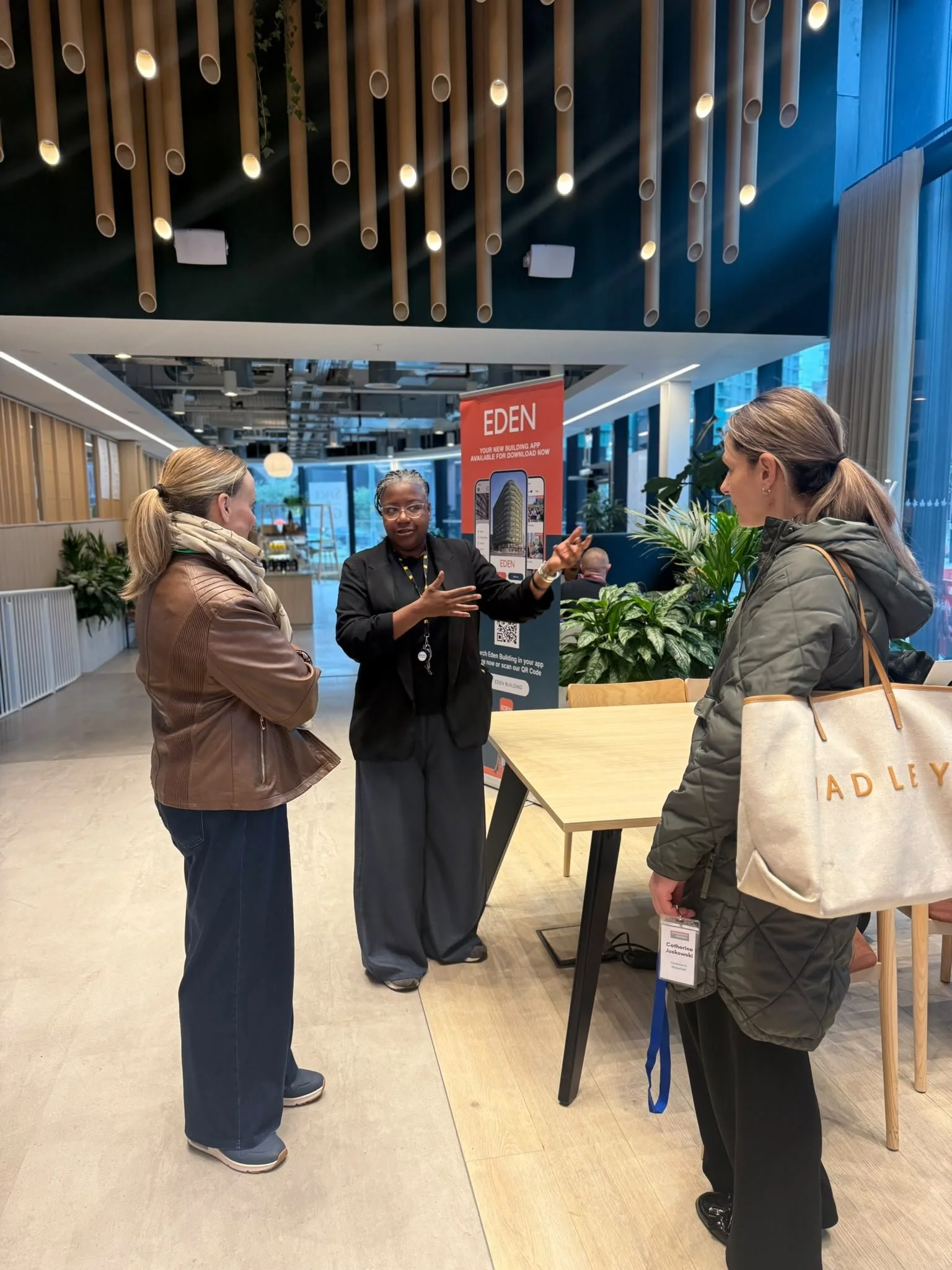
6. There is an events programme and amenities shaped around what occupiers respond to
Eden runs free yoga classes, body composition sessions and monthly gardening sessions on the lovely rooftop terrace - they showed us plants like strawberries and herbs that anyone cna muck in and help to grow. There is a wellness studio and treatment room as well.
The activities themselves need to give people a reason to use it. Sophie’s approach is to try things, pay attention to what people are interested in, and build from there.
7. They know how to make a building app useful
At Eden, people can use the app to sign up for activities. The app is part of the experience, but keeping it useful takes ongoing work. We talked about how important an app can be for engaging people in a building, but it needs someone to manage it. The content has to be kept up to date, and people need a reason to open it.
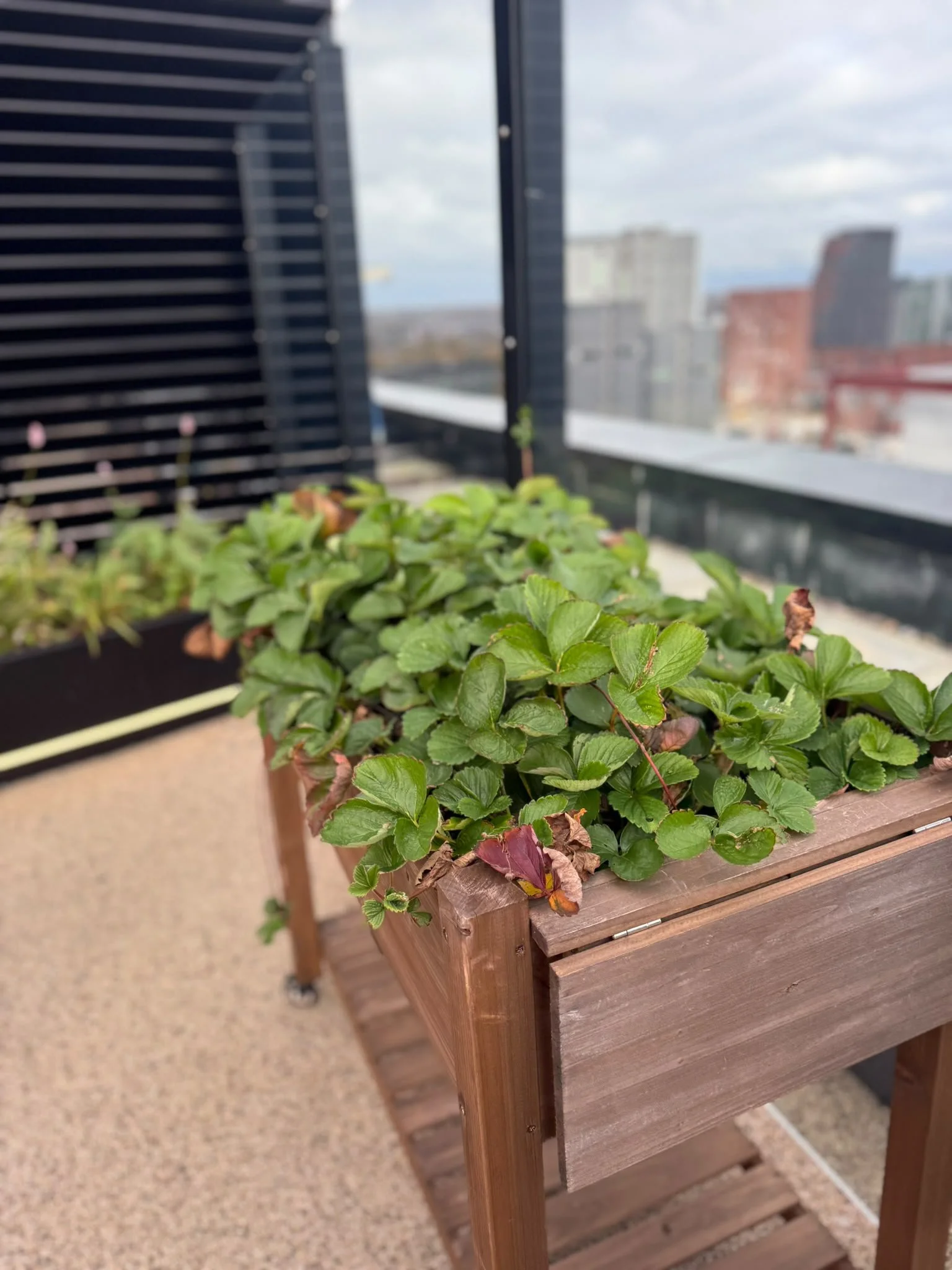
8. The building’s dress code matches the “vibe”
At lunch afterwards we had a long discussion about how every building has its own vibe, and how the people managing it need to work out whether their approach fits. That includes the front-of-house team and what they wear.
In some buildings, you expect the person at reception to be in a suit and tie. In others, that wouldn’t feel right at all. Many years ago, I visited a really hip, fun workspace where the hipster dude on the reception wore short dungarees with no shirt underneath. (Ha!)
Sophie has a really cool dress code for the entire building team, and she kindly shared her mood board with me afterwards.

A huge thank you to Sophie for hosting us and sharing so much about Eden.
There was a lot more to the building than I could fit into ten facts, but these were the details I kept thinking about after the tour.
I spent six hours on trains to get to Manchester for the study tour. Three hours each way. And I’d do it again.
In a world where more and more of what we do happens digitally, I’m a big believer in getting together in person. It’s perhaps an obvious view when you work in real estate, where so much is about the places we can touch, feel and experience. There is also something valuable about being present with people, sharing what you notice and seeing how other people experience a place.
Want to join a future Experience Makers event?
Next up, we’re heading to Bluewater in Kent. You can read all about our upcoming events here.
If you're reading this and wish you were there, consider joining us. Experience Makers brings together people working across real estate to share what is actually working in customer experience. Our membership options ranging from free Bronze membership through to Corporate Gold. Along the way you'll be invited to regular lunches, study tours, research partnerships and conversations with some of the brightest minds in real estate customer experience. Learn more here.
About the Author
For more insights like this, follow me Chenai Gondo, PhD and subscribe to my weekly newsletter about real estate, entrepreneurship, business, human behaviour and occasionally, about my wigs.
I am the CEO of RealService and Experience Makers. We work with real estate owners, developers and operators to understand and improve how their assets perform in practice. RealService maintains the RealService Customer Experience Index, an independent cross-sector CX benchmark for European real estate, built from more than 60,000 customer interviews conducted across office, retail, industrial, mixed-use and residential assets over the past 27 years. Learn more here.

Topics covered in this article
Eden Manchester, sustainable office buildings, commercial real estate customer experience, customer insight for commercial real estate, commercial property customer research, office occupier surveys, occupier feedback surveys, tenant satisfaction surveys for commercial property, customer satisfaction surveys for office buildings, occupier interviews, measuring occupier experience, improving customer experience in office buildings, customer experience strategy for real estate, customer experience benchmarking for commercial property, mystery shopping for property management, office building experience audits, customer experience training for property teams, occupier engagement, tenant and occupier retention, property management customer experience, workplace experience, RealService customer insight, RealService customer experience consultancy