
What’s the One Thing You’d Never Compromise On in a Flexible Office? Reflections from our latest Experience Makers Event.
July 23, 2026
Me? I want all the things. I’m a diva. But if you made me narrow it down to the bare essentials, I’d say bulletproof Wi-Fi. Good coffee. A human manager to whinge to. Plenty of meeting rooms. Oh, and it has to feel grown up. I don’t want to be embarrassed to invite clients there. I refuse to conduct a board meeting next door to a game of beer pong.
And vibes. Friends, vibes matter. The Gen Z graduates I’m hiring need to know my business is cool. The office has to be, as they say, “giving”.
I realise that’s more than one thing. I did say I’m a diva. The funny thing is, I don’t think my answer is any more correct than anyone else’s.
Ask ten flexible workspace operators the same question and you’ll probably get ten different answers.
Some will talk about hospitality. Others will say community. Someone else will argue that if the technology doesn’t work, nothing else matters. Another person will insist that none of those things compensate for poor relationship management.
At first, it sounds like everyone disagrees, but I’m not sure they do.
I think they’re often describing the same underlying principles, just from different perspectives. They use different language and place emphasis on different things, but beneath the surface there’s often more agreement than disagreement.
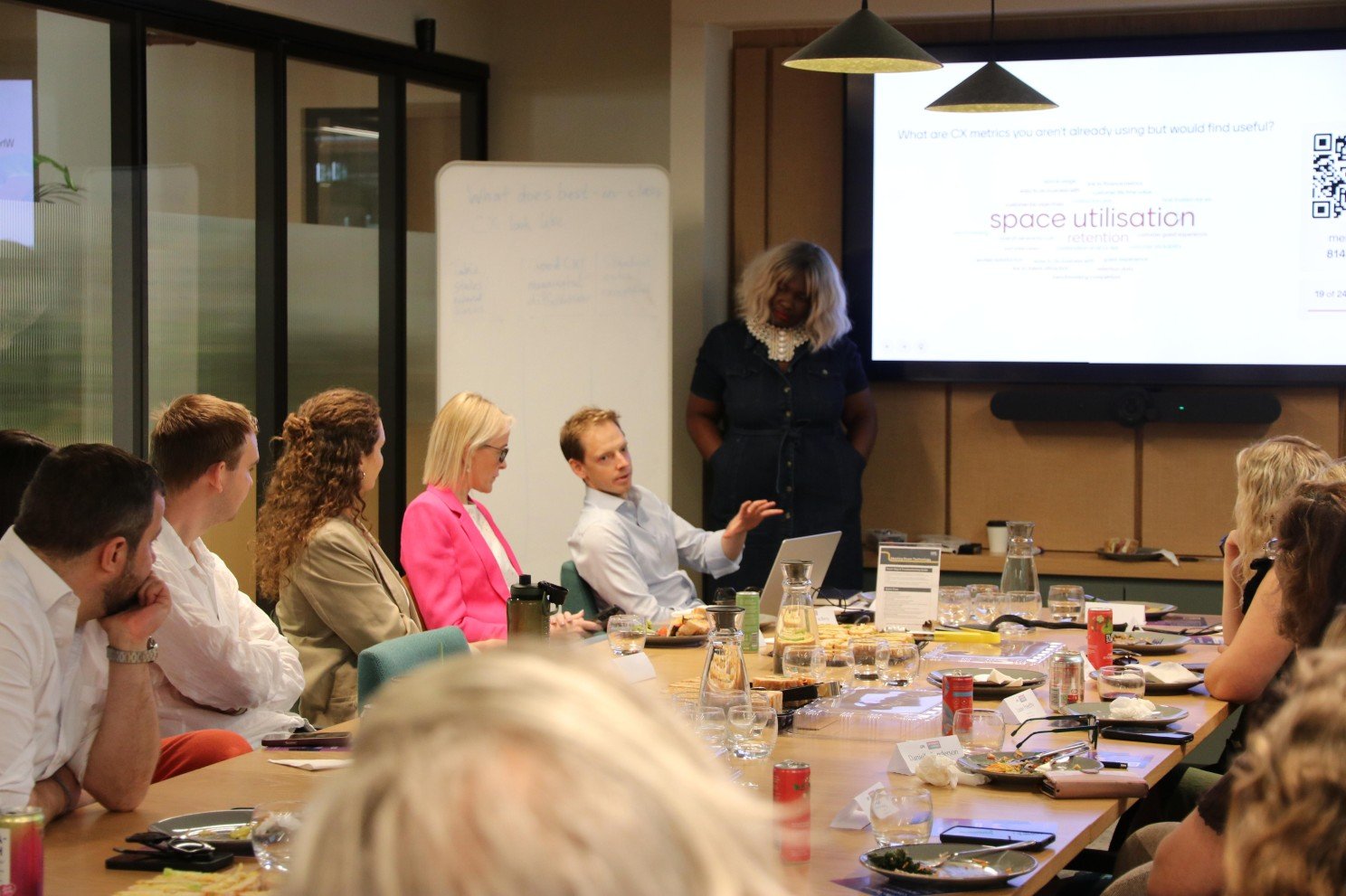
That was the idea behind our recent Experience Makers Working Group.
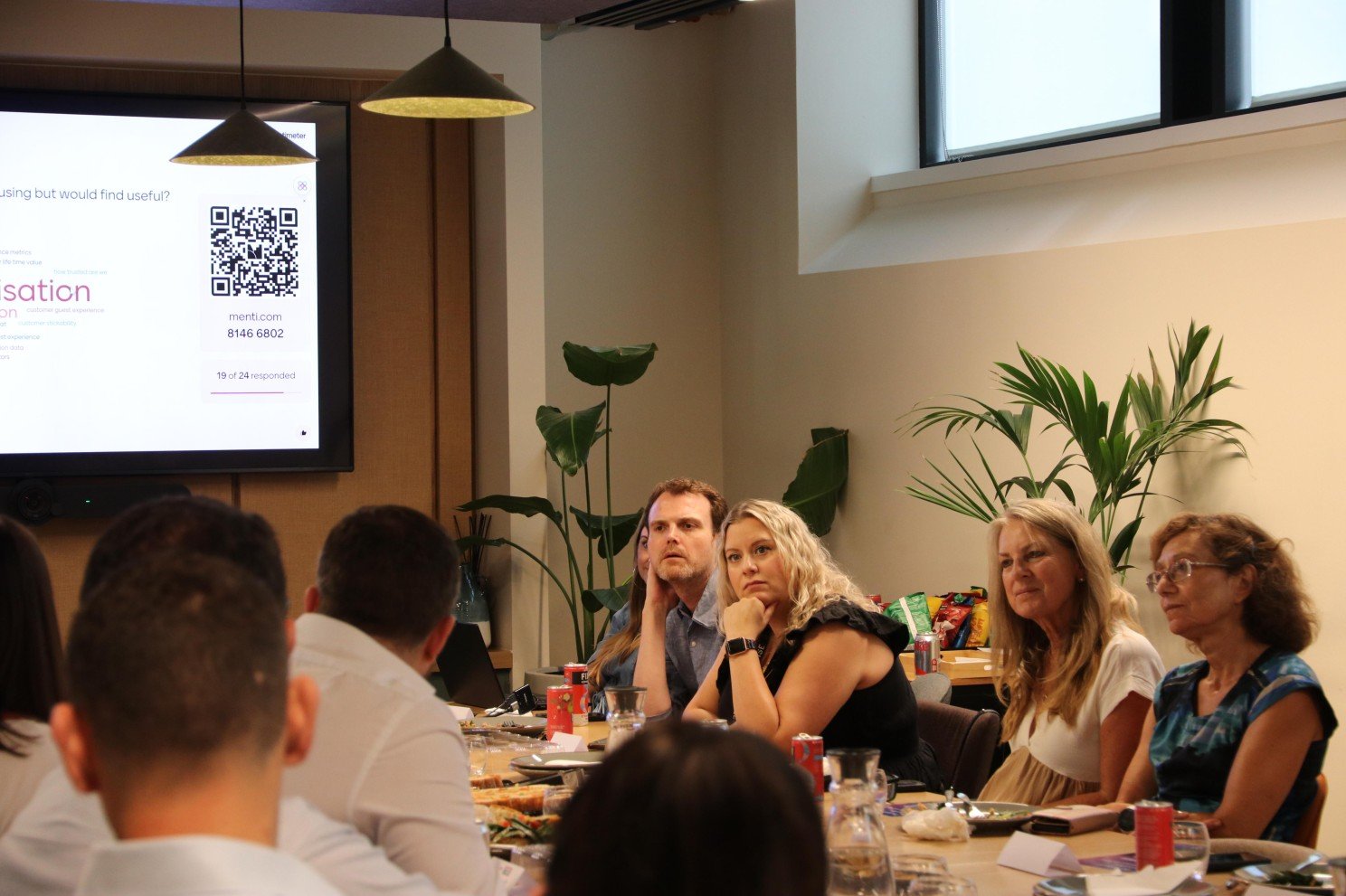
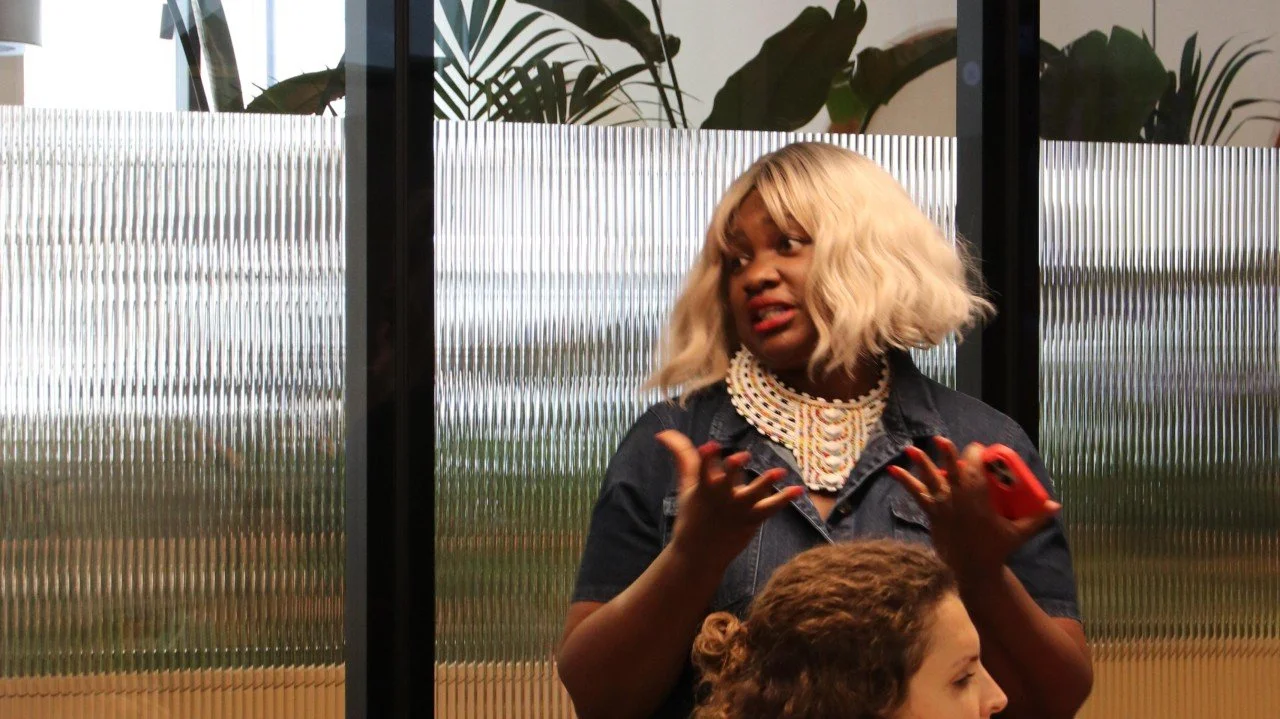
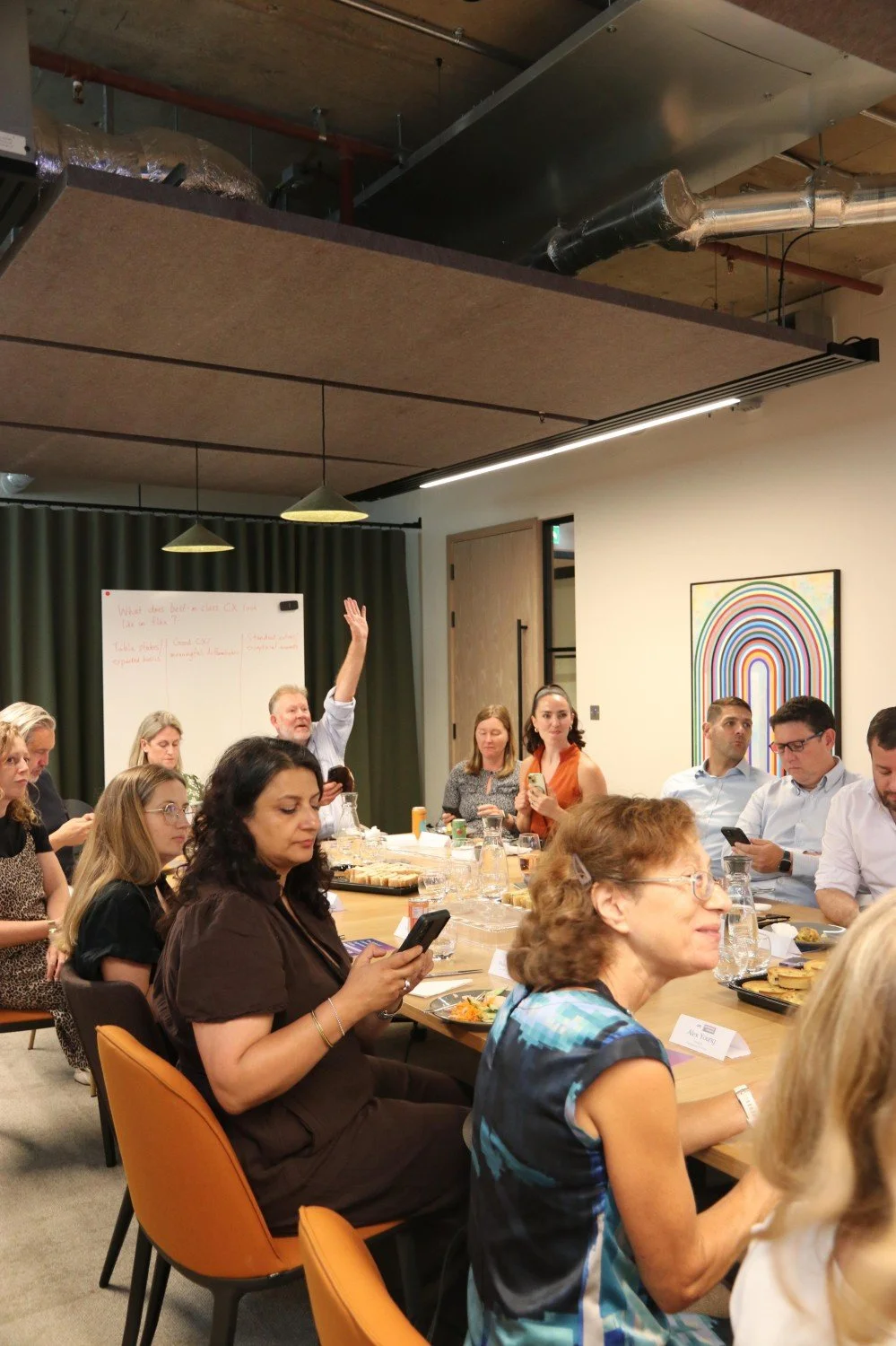
On July 16th 2026 Experience Makers brought together senior leaders from across the flexible workspace sector to explore the following question.
What does great customer experience actually look like in flexible offices?
Customer experience has become one of the most talked-about topics in our industry. Most operators measure it in some way. Many invest heavily in improving it. Yet there is still remarkably little agreement about what excellence actually looks like.
Before we can benchmark customer experience, improve it or compare ourselves with others, we first need to develop a shared understanding of what good looks like.
Rather than trying to answer that question ourselves, we invited experienced practitioners from across the industry to explore it together.
Very few worthwhile ideas emerge fully formed from one person’s head. They are tested, questioned and refined until they become stronger.
I believe it was Michael Dell who said that
“If you ever find yourself as the smartest person in the room, you’re in the wrong room.”
Someone gave me that advice early in my career, and it has always resonated with me, perhaps because I spent so many years in academia before moving into management consulting. In both worlds, knowledge is developed collectively. Researchers publish papers so that others can challenge their ideas. Consultants spend hours debating recommendations before they ever reach a client.
It’s one of the reasons we re-launched Experience Makers. Industries are stronger when experienced practitioners come together to explore difficult questions and collectively develop best practice. One of the things I enjoyed most about the discussion was that nobody was trying to prove they had all the answers.
People challenged one another respectfully. They built on one another’s ideas. Sometimes they disagreed. Often they refined each other’s thinking. There were moments where the discussion moved in a completely unexpected direction and the room collectively arrived at an idea that I don’t think any one of us would have reached alone.
One of the outputs is a practical framework for thinking about customer experience in flexible offices.
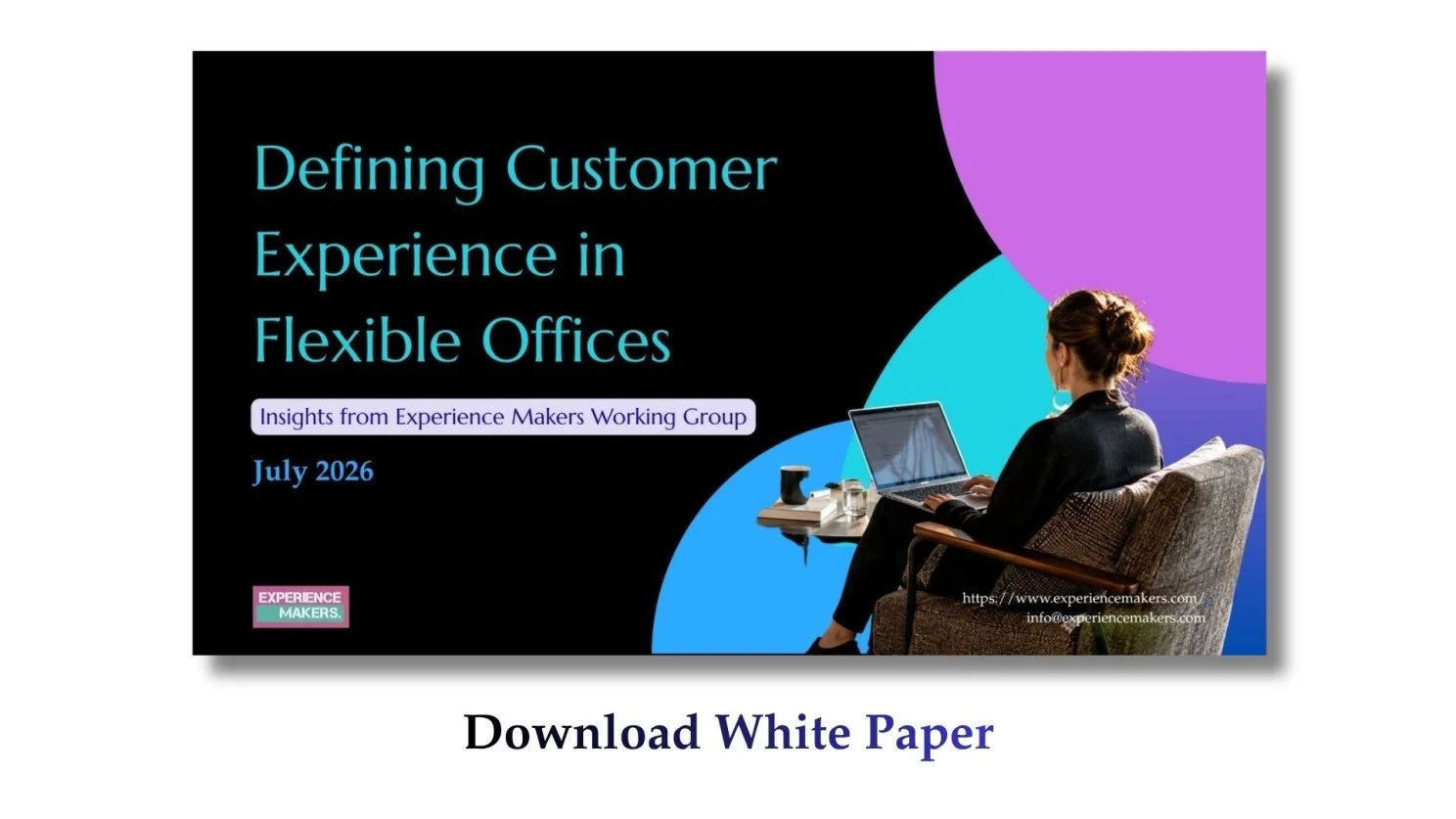
Rather than viewing customer experience as a single concept, theframework looks at customer experience through five dimensions: operational service delivery, relationship management, amenities, community engagement and destination.
Together these shape the customer experience. It also distinguishes between the basics that customers now expect, the areas that differentiate leading operators and the standout experiences that create lasting loyalty.
Like any framework, it isn’t intended to provide all the answers or serve as a checklist. Customer expectations will continue to evolve, and so should the framework.
Instead, I hope it provides a practical way for operators to think about customer experience, structure conversations within their organisations and identify opportunities to improve.
The paper explores the framework in more detail, explains how it can be used and summarises the implications for flexible workspace operators.
How to Use the Framework
I hope organisations use the framework as more than something to read. Use it to challenge your assumptions, facilitate conversations within your leadership teams, identify where you’re already performing strongly and where there may be opportunities to improve.
Most importantly, use it as a starting point for discussion rather than a definitive answer.
If you work in flexible offices, I hope you find it useful. More importantly, I hope it starts more conversations. Good frameworks should never close down debate. They should encourage better debate. Customer experience will continue to evolve, and I hope this framework evolves with it.
Want to join the Experience Makers Best Practice Group?
Experience Makers exists to bring together people who care about advancing customer experience in real estate.
Through working groups, research and white papers, our aim is to develop practical thinking that helps the industry move forward. If that sounds like something you would like to contribute to, I would love to hear from you.
A huge thank you to everyone who joined the working group and contributed so thoughtfully.
This framework would not have been possible without the openness and generosity of the workshop participants, who shared their experiences, challenged ideas and contributed to a thoughtful discussion.
We are especially grateful to @Rebecca B and GPE for hosting us at their flexible workspace in London.
Chenai Gondo, PhDDanielle SandersonEmily PeskinGuy Windsor-Lewis, Hannah WhidborneJamie BarwickKatie WhellKaty TennantLia Xinyu ZhangLouise FreethyLuke TrusselleMairi HoustonMegan LovellMichelle LaramyOliver MarlowRebecca BradleyRebekah Lloyd-BeereRob MaxwellShazia MustafaTish HewittToby WrightWill Griggs-Leslie
See more photos here
About GPE
This Experience Makers Working Group was kindly hosted by GPE, whose Customer Charter reflects its commitment to putting customers at the heart of everything it does. Built around five commitments - from getting to know customers and creating exceptional spaces to continually evolving its offer - the Charter made GPE a natural partner for a discussion on what great customer experience looks like in flexible workspace. We'd like to thank the GPE team for providing the venue and supporting an open and collaborative discussion between operators from across the flexible workspace sector. To learn more about GPE, visit: https://www.gpe.co.uk/
About Experience Makers
We’re the UK’s leading network for customer experience professionals in real estate—sharing best practice, building community, and driving change. We bring together CX professionals from across asset classes—offices, retail, industrial, residential, mixed-use and more. To learn more visit: https://www.experiencemakers.com
About RealService
RealService is a specialist customer experience consultancy for the built environment. We work with real estate owners, developers, and operators to understand and improve how their assets perform in practice. RealService currently maintains the RealService Customer Experience Index - the only independent cross-sector CX benchmark for European real estate, It is built from more than 60,000 customer interviews conducted across office, retail, industrial, mixed-use and residential assets over the past 27 years. To learn more visit: https://www.real-service.com/
Topics Covered in This Article
Flexible workspace customer experience, Flexible office customer experience, Coworking customer experience, Customer experience framework, Flexible workspace best practice, Workplace experience, Community management, Workplace amenities, Flexible office benchmarking, Customer experience benchmarking, Commercial real estate customer experience, Occupier experience, Workspace management, Employee experience in flexible offices, Tenant Satisfaction, Tenant Experience, Tenant Engagement